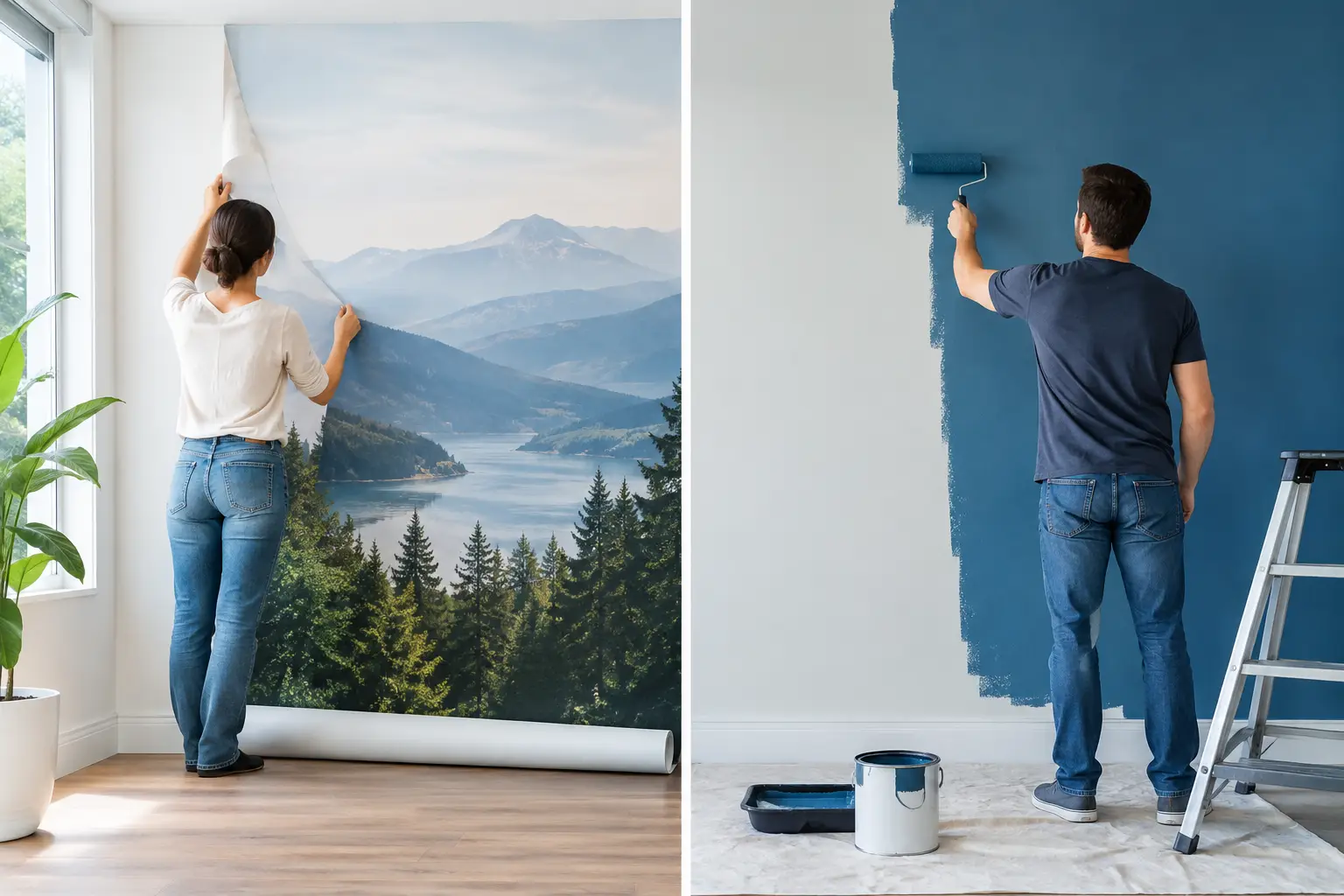
A painted accent wall can change a room’s mood by dinner. A custom mural can make that same wall feel like a misty forest, a favorite coastline, a child’s imagined universe, or a brand’s point of view. When considering removable murals versus paint, the right choice comes down to more than color. It is a decision about visual impact, wall condition, permanence, installation confidence, and how often you expect the space to evolve.
Paint remains a reliable, familiar finish. But for homeowners, renters, and design professionals creating high-visibility spaces, removable wall murals offer a level of scale and personalization that paint alone cannot reproduce. The best option depends on what you need the wall to do.
Removable Murals Versus Paint: The Real Difference
Paint changes the surface. A mural changes the experience of the room. Even a rich paint color is usually a backdrop for furniture, art, lighting, and textiles. A wall mural can become the focal point itself, setting the visual direction before the rest of the room is furnished.
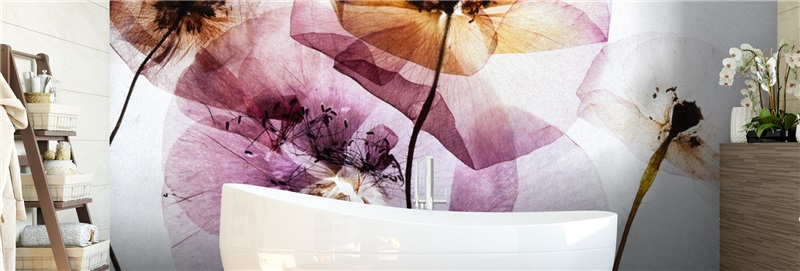
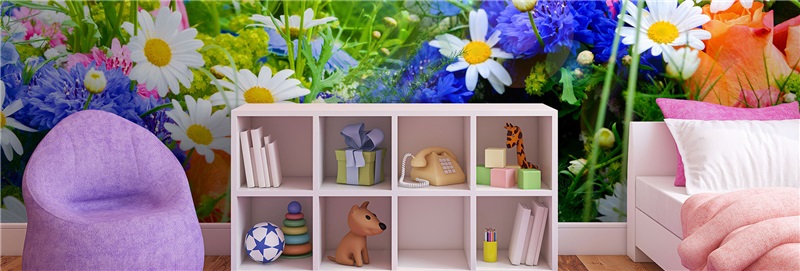
That difference matters in spaces where atmosphere is the goal. A soft floral mural can bring depth to a bedroom without adding physical clutter. A world map can give a home office or classroom a sense of purpose. In a nursery, an illustrated woodland, sky, or animal scene can feel more considered than a single pastel shade. For a reception area, retail setting, wellness studio, or hospitality project, a mural can carry the brand or create a memorable first impression at room scale.
Paint is generally better suited to broad, understated changes. It is a smart choice when you want a neutral envelope, need to blend several imperfect walls, or are working with a room where the architectural details should remain the focus. A mural is more intentional. It asks for a wall that deserves attention.
Visual Possibility: Color Versus Custom Artwork
Paint offers almost unlimited color matching, but its visual language is comparatively simple. You can use one color, color blocking, stripes, stencils, or a hand-painted pattern. Those approaches can be beautiful, yet they require time, precision, and often a professional painter when the design becomes complex.
Removable murals arrive as a finished visual composition. Instead of trying to recreate a landscape, abstract design, cityscape, or oversized botanical pattern with paint, you select artwork designed for large-format printing. You can also use a personal photo, provided the original file has enough resolution for the finished wall size.
This is where professional image review is valuable. A photo that looks sharp on a phone may not have enough detail for an eight-foot-wide wall. Cropping also matters: a person placed at the edge of an image may disappear when the design is adjusted to fit your dimensions. Murale Design reviews custom-image projects so customers can make decisions about quality, scale, and composition before production.
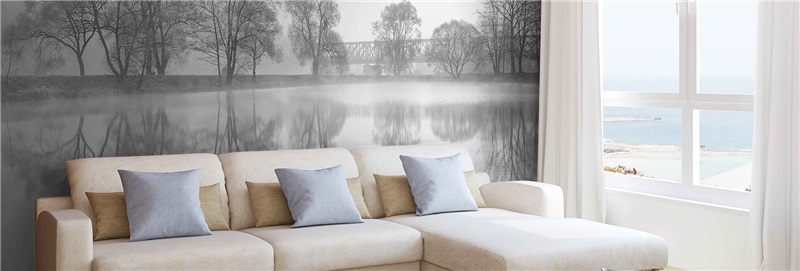
A mural is not automatically the more dramatic choice. The artwork should fit the room’s purpose and the amount of time people spend there. A high-energy sports image may suit a game room but feel distracting in a primary bedroom. A subtle watercolor, textured abstract, foggy forest, or tonal beach scene can create depth without making the room feel busy.
Installation and Wall Preparation
Painting is familiar, but it is not effortless. The wall typically needs cleaning, patching, sanding, priming where necessary, cutting in around trim, and at least two coats for even coverage. There is also drying time, ventilation, and the possibility of touch-ups after roller marks or missed areas become visible.
A removable adhesive mural also relies on preparation, just of a different kind. Painted drywall should be smooth, clean, dry, and fully cured. Fresh paint needs adequate curing time before an adhesive wall covering is installed. Dust, grease, flaking paint, heavy wall texture, and damaged drywall can affect adhesion and the finished appearance.
For the strongest result, measure the wall carefully at more than one point. Walls are not always perfectly square, especially in older homes. A made-to-order mural should be sized for the actual installation area, with appropriate allowance where needed, rather than ordered from a rough estimate. Panels are then aligned in sequence during installation, creating one continuous image.
Many people find mural installation manageable with clear instructions and a second set of hands. A large wall, tall ceiling, complex cutouts, or commercial deadline may justify professional installation. Paint has its own learning curve, but mistakes are usually covered with another coat. With a mural, patient measuring and panel alignment are what protect the final result.
Flexibility for Rentals and Changing Rooms
For renters, removability is often the deciding factor. A removable mural can offer the personality of a major redesign without committing to a hand-painted scene or an extensive repainting project at move-out. Still, renters should always check their lease and test the wall condition first. Adhesive products perform best on properly painted, sound surfaces, and removal results can vary when paint is poorly bonded, old, damaged, or not fully cured.
Murals also make sense for rooms that are expected to change. A nursery can become a child’s room, and a child’s room can become a study space sooner than most families expect. Rather than repainting several times, some homeowners prefer a wall covering that can be changed when the room’s role changes.
Paint is more flexible if your definition of flexibility is quick color correction. If you choose the wrong shade, you can repaint. A mural is a more specific investment, so the artwork deserves more thought before ordering. Consider how it will relate to bedding, flooring, window treatments, and furniture you plan to keep.
Cost: Look Beyond the Material Price
A gallon of paint costs less upfront than a custom mural. That is true in most cases. But the total comparison is not always as simple as paint versus printed material.
Painting costs can grow once you include primer, rollers, brushes, tape, drop cloths, patching materials, multiple paint colors, and labor. A feature wall may be affordable as a DIY project, while a full room with repairs, trim, high ceilings, or specialty finishes can become a larger undertaking.
A custom mural has a higher material cost because it is produced to your wall dimensions and printed with the selected artwork. It also delivers an image, finish, and visual impact that paint would not create without a muralist or decorative painter. For a single feature wall, that can make the value proposition clearer: you are not simply covering a wall. You are adding a custom-scale design element.
For commercial interiors, consistency can be equally important. A specified mural design can be reproduced across locations or adjusted to different wall dimensions while maintaining the same visual direction. Matching a custom paint technique from one installer or location to another is often less predictable.
Durability and Everyday Maintenance
A quality wall mural printed on adhesive vinyl with latex inks and an anti-scratch finish is designed for normal interior use. It is well suited to bedrooms, living rooms, offices, hallways, and other spaces where the wall receives ordinary contact. As with any finished surface, avoid abrasive cleaning tools and treat the wall with reasonable care.
Paint durability depends heavily on sheen and formulation. Flat paint can create a refined, low-glare look, but it may show scuffs more easily. Satin and eggshell finishes tend to be more practical for active rooms, while glossier paints are often chosen for moisture-prone areas or trim. Touching up paint sounds simple, yet sheen changes and fading can make a spot repair visible over time.
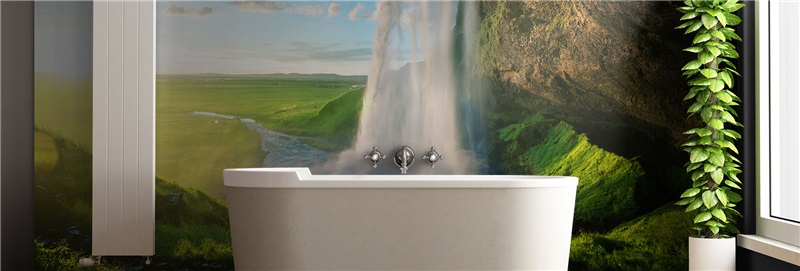
A mural is usually the better option when the wall itself needs to perform visually. Paint may be more practical when the room has frequent moisture, significant wall damage, or a surface that is too textured for adhesive film. Bathrooms, laundry areas, and walls with unresolved humidity issues require extra caution regardless of the finish you choose.
How to Choose the Better Finish for Your Space
Choose paint when you want a low-cost color refresh, a quiet backdrop, or a finish that can easily extend across multiple walls. It is also the sensible answer for heavily textured surfaces or walls that need repair before any decorative finish is applied.
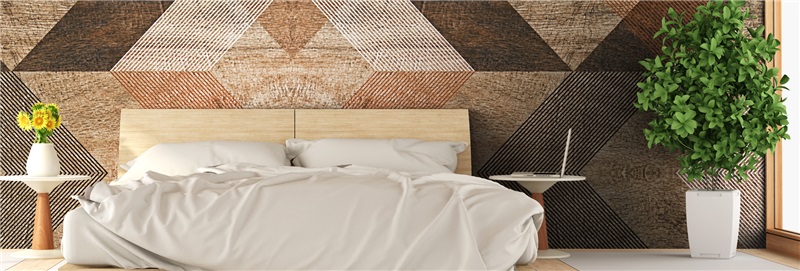
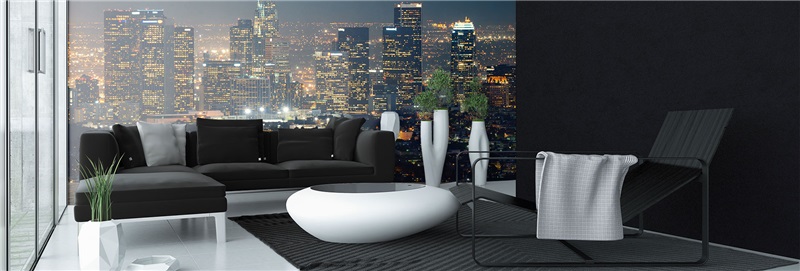
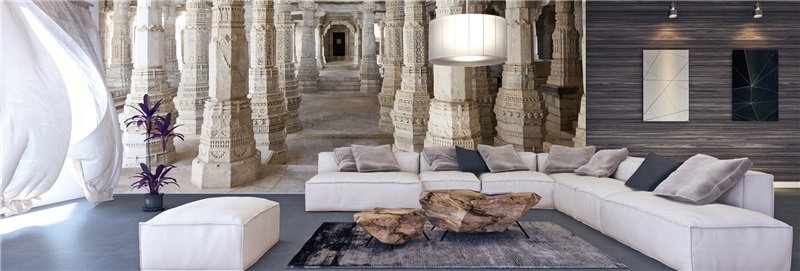
Choose a removable mural when the room needs a focal point, you have a clear theme or personal image in mind, or you want to create a finished designer look without commissioning custom hand painting. It is especially effective on a clean, smooth accent wall where the artwork can be seen from across the room.
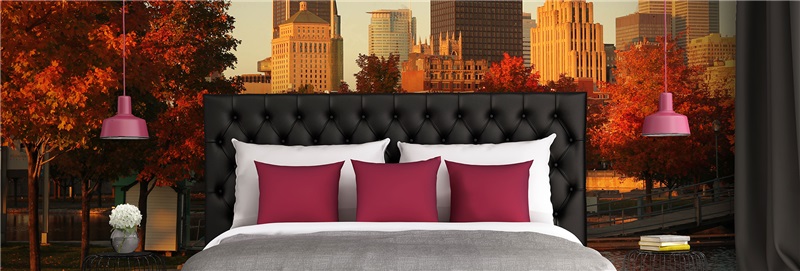
The strongest interiors often use both. Paint can establish the room’s overall palette, while a mural gives one wall a distinct job: create depth behind a bed, define a dining area, welcome clients, or turn an overlooked wall into the reason people remember the room.
Before choosing, stand in the space at different times of day and consider what you want to feel when you enter. If the answer is simply “calmer” or “brighter,” paint may be enough. If the answer is a place, a memory, a story, or a point of view, a properly sized mural can give that idea a wall of its own.