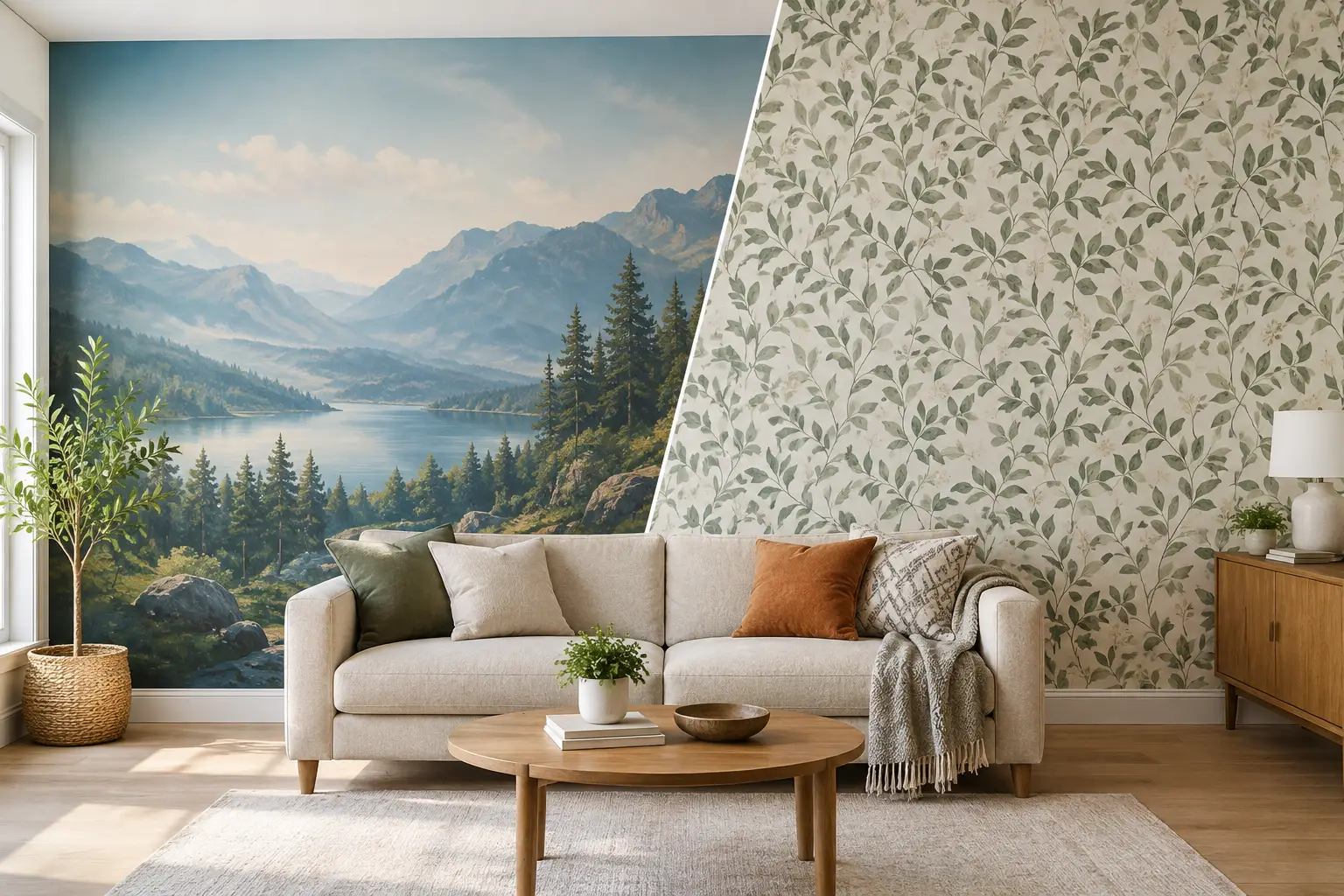
A blank wall behind a bed, sofa, or reception desk has more influence than most people expect. It sets the visual direction for the entire room. When weighing mural versus wallpaper, the real question is not simply which one looks better. It is whether you want the wall to become the focal point or support the rest of the design.
Both options can add color, texture, and personality without a full renovation. But they work differently in a room, especially when it comes to image scale, pattern, customization, wall preparation, and installation. Understanding those differences before ordering helps you choose a finish that feels intentional rather than overwhelming.
What Is the Difference Between a Mural and Wallpaper?
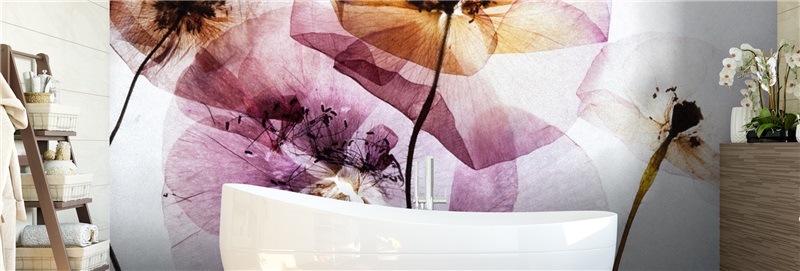
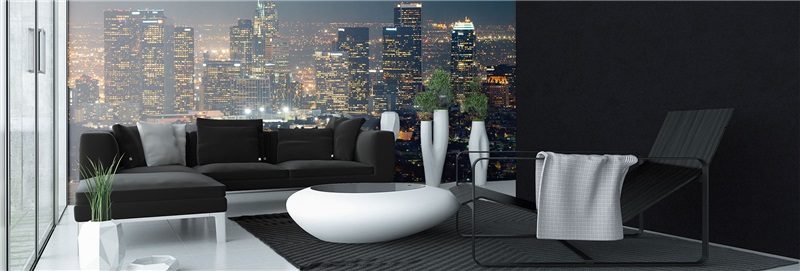
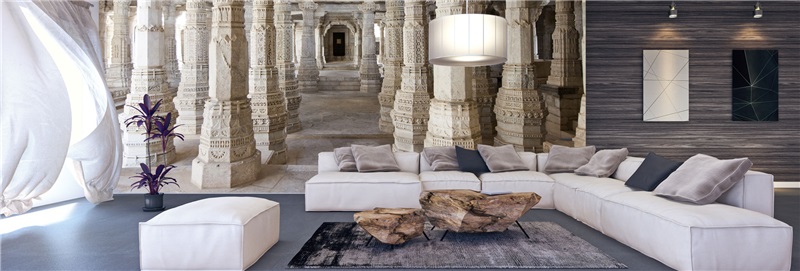
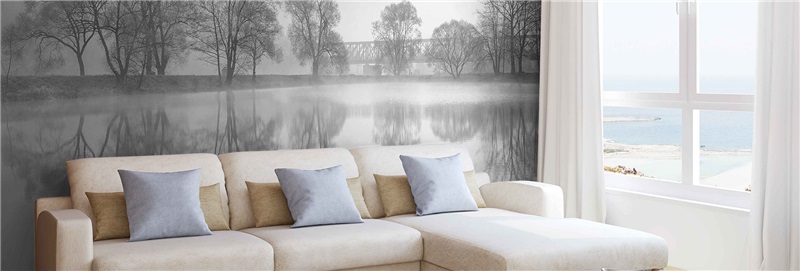
A wall mural is a single, large-scale image designed for a specific wall size. A misty forest, beach horizon, city skyline, oversized flower, world map, or personal photograph is printed in panels that align to create one continuous scene. The composition has a clear beginning and end, so placement matters.
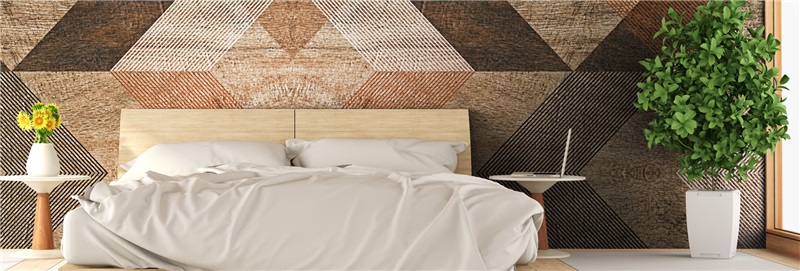
Traditional wallpaper typically uses a repeating pattern. Think stripes, botanicals, geometric shapes, subtle textures, or small-scale illustrations that continue across the wall and around a room. The goal is consistency rather than one central image.
The material itself can be similar. A mural may be produced on a wallpaper-style wall covering, while wallpaper can be digitally printed on adhesive vinyl. The distinction is primarily visual: murals create a scene, while wallpaper creates a repeat.
Mural Versus Wallpaper: Start With the Room’s Job
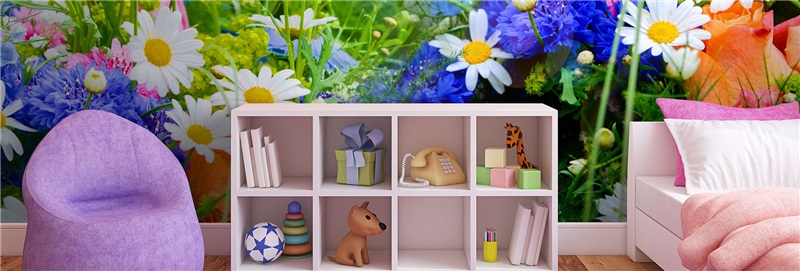
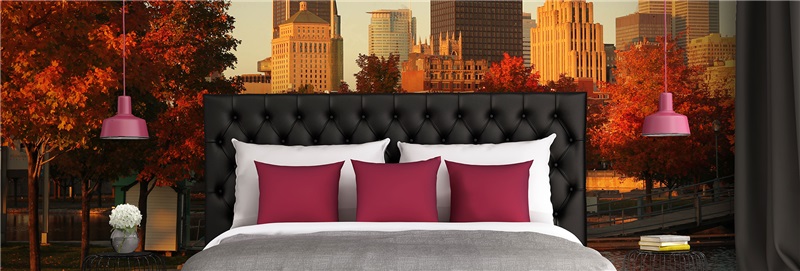
A mural is often the stronger choice when a room needs a defining moment. In a bedroom, it can frame the headboard and make the bed wall feel finished. In a nursery, an illustrated woodland or soft cloudscape can establish a playful theme without filling the room with matching decor. In an office, a landscape or abstract design can give a video-call background more character than painted drywall.
Wallpaper is especially effective when you want atmosphere across more than one wall. A subtle grasscloth-inspired texture can warm a dining room. A repeating floral can add charm to a powder room. A clean geometric can bring energy to a retail fitting room or hospitality space without competing with signage, furniture, or merchandise.
There is also a middle ground. A mural on one feature wall paired with painted walls often gives a room enough visual interest while preserving breathing room. This approach works well in smaller bedrooms, condos, and spaces with many doors, windows, or built-ins.
Choose a mural when the image is the point
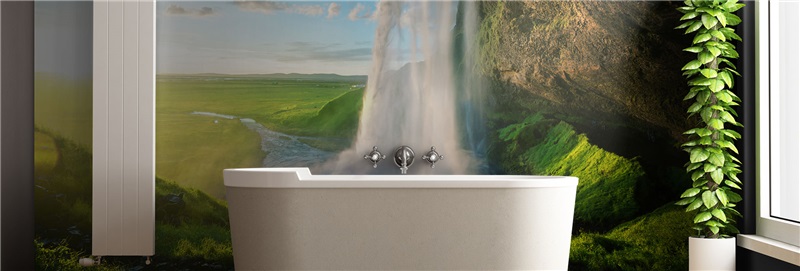
Murals are designed to be noticed. They work best when the subject has enough scale to read from across the room and enough detail to reward a closer look. A mountain range behind a sofa, a blooming floral wall in a salon, or a custom family travel photo in a hallway can create a sense of place that repeating wallpaper cannot quite replicate.
They are also the natural choice for custom imagery. If you have a high-resolution photograph, original artwork, branded graphic, or project-specific illustration, a made-to-measure mural lets that image fit the actual wall rather than forcing the wall to fit a standard roll. At Murale Design, image files can be reviewed before production to help confirm that they will reproduce clearly at room scale.
The trade-off is that murals need more thoughtful composition. A face, horizon line, building, or focal flower should not land behind a tall cabinet or be cut off at an awkward point. Measure the full wall, then account for furniture placement, outlets, windows, vents, and trim before selecting the crop.
Choose wallpaper when continuity matters
Repeating wallpaper is forgiving in a way murals are not. Because the pattern repeats, a small shift in placement is usually less noticeable. This can make it a practical choice for rooms with complex architecture, such as stairways, bathrooms, alcoves, or walls broken up by multiple openings.
Wallpaper also has a different emotional effect. Small patterns can make a space feel layered and collected. Larger repeats can feel contemporary and confident, but they are not tied to one scene or viewing direction. If you want the furnishings, art, and lighting to remain the stars, wallpaper can create a strong backdrop without demanding all the attention.
For commercial interiors, repeating patterns can also make sense across several adjacent walls where visual consistency matters more than a single photo-worthy feature wall.
Scale Changes Everything
The most common mural mistake is choosing an image based on how it looks on a phone or laptop. At wall size, a design that felt calm on a small screen may look busy, while a photo that seemed ordinary can become dramatic and immersive.
Consider viewing distance first. A mural behind a bed is usually seen from several feet away, so broad shapes, clear contrast, and a defined focal area work well. A hallway mural is viewed up close, where texture and fine detail become more visible. A large open living room can support a wide landscape, while a compact powder room may call for a smaller-scale repeat or a mural with a simple, enveloping subject.
For wallpaper, repeat size matters just as much. Tight, high-contrast patterns can feel lively in a small space but tiring across a large room. Oversized patterns can make a statement, yet they need enough uninterrupted wall area to show their full shape.
Custom Sizing Is a Major Advantage of Murals
Standard wallpaper rolls require planning for pattern repeat, trimming, and potential waste. With a custom mural, the artwork can be produced to your wall’s dimensions, including a little extra material for final trimming during installation. This is valuable for unusual walls, from a narrow nook to a wide wall above built-in cabinetry.
Custom sizing also gives designers greater control. A horizon can sit at a comfortable height. A logo can be centered behind a reception desk. A map can be scaled so the desired region is readable. For residential projects, this level of adjustment helps the mural feel built into the room rather than applied afterward.
That said, customization does not fix a low-quality source image. A file must have enough resolution for its intended print size. Professional image review is worth using, particularly for personal photographs and downloaded artwork, because sharpness issues become more obvious once an image is enlarged.
Installation and Wall Preparation Matter for Both
No wall covering can hide every surface problem. Freshly painted drywall should be fully cured, clean, dry, and smooth. Dust, grease, loose paint, textured patches, and wall damage can affect adhesion and create visible imperfections beneath the finished surface.
Printed wall murals are generally delivered in numbered panels, making the sequence easier to follow. Accurate alignment is still essential, especially with designs that include straight lines, architectural details, or a visible horizon. Repeating wallpaper also requires careful matching at each seam, and its repeat can add complexity when working around corners and openings.
Adhesive vinyl murals offer a practical combination of crisp printing and straightforward application on properly prepared painted drywall. Latex inks and a scratch-resistant finish are useful in active residential and commercial spaces, but durable material is not a substitute for careful surface preparation. If the wall has significant texture, moisture issues, or failing paint, address those conditions first.
Renters should also review their lease terms and consider the specific wall surface before choosing any adhesive wall treatment. A removable-looking product is not automatically risk-free on every paint type or poorly prepared wall.
Budget Beyond the Initial Price
It is tempting to compare only the price per square foot, but the total project cost depends on more than material. Wallpaper may require extra quantity for matching a repeat. A custom mural may cost more upfront because it is printed to order, yet it can reduce design compromise and provide a tailored fit.
Installation time is another consideration. A simple feature-wall mural can be a focused project. Covering an entire room in patterned wallpaper involves more cuts, more corners, and more pattern matching. For a high-visibility commercial wall or a complex residential space, professional installation can be a worthwhile part of the budget.
Make the Wall Work With the Rest of the Room
Before committing, stand in the room and identify what should receive attention first. If it is the view in a landscape mural, keep nearby furnishings quieter. If the room already has bold upholstery, colorful rugs, and layered art, a subtle wallpaper pattern may provide better balance.
The best wall covering does not just fill empty space. It gives the room a clearer identity, whether that means one memorable image or a pattern that quietly brings every element together.
![Best Bathroom Mural Ideas to Elevate the Room [even for small bathroom]](/assets/documents/article/image/sans-titre.jpg)