A blank wall can make a finished room feel like it is still waiting for its point of view. Custom wallpaper changes that quickly, whether the goal is a quiet botanical backdrop behind a bed, a family beach photo across a living room wall, or a branded landscape in a client-facing office. The difference is not simply having a larger image. It is choosing artwork, scale, material, and placement that make sense together.
Unlike a standard wallpaper roll, a made-to-order wall covering is built around your wall measurements and visual idea. That opens up far more creative freedom, but it also calls for a little planning before production. A few practical decisions at the start can help your finished mural look intentional from every angle.
Start With the Wall, Not the Image
The most successful feature walls begin with a clear understanding of the space. Measure the full width and height of the installation area, then note anything that interrupts it: windows, doors, baseboards, built-in shelving, outlets, light switches, radiators, or a sloped ceiling. A wall may look rectangular at first glance, but small variations are common in real homes and commercial interiors.
It is generally wise to allow a little extra material around the edges. This gives the installer room to trim precisely after the panels are in place, especially when ceilings and corners are not perfectly level. For projects with unusual wall shapes, photographs and measurements can help a design team identify the best approach before the mural is printed.
Then consider viewing distance. A dramatic mountain range can hold its own on a large living room wall viewed from across the room. In a narrow hallway, a detailed cityscape or soft abstract pattern may be more satisfying because people will see it up close. Scale affects the feeling of a room: oversized leaves feel immersive, while smaller motifs can read as texture from a distance.
Choosing a Custom Wallpaper Design That Belongs
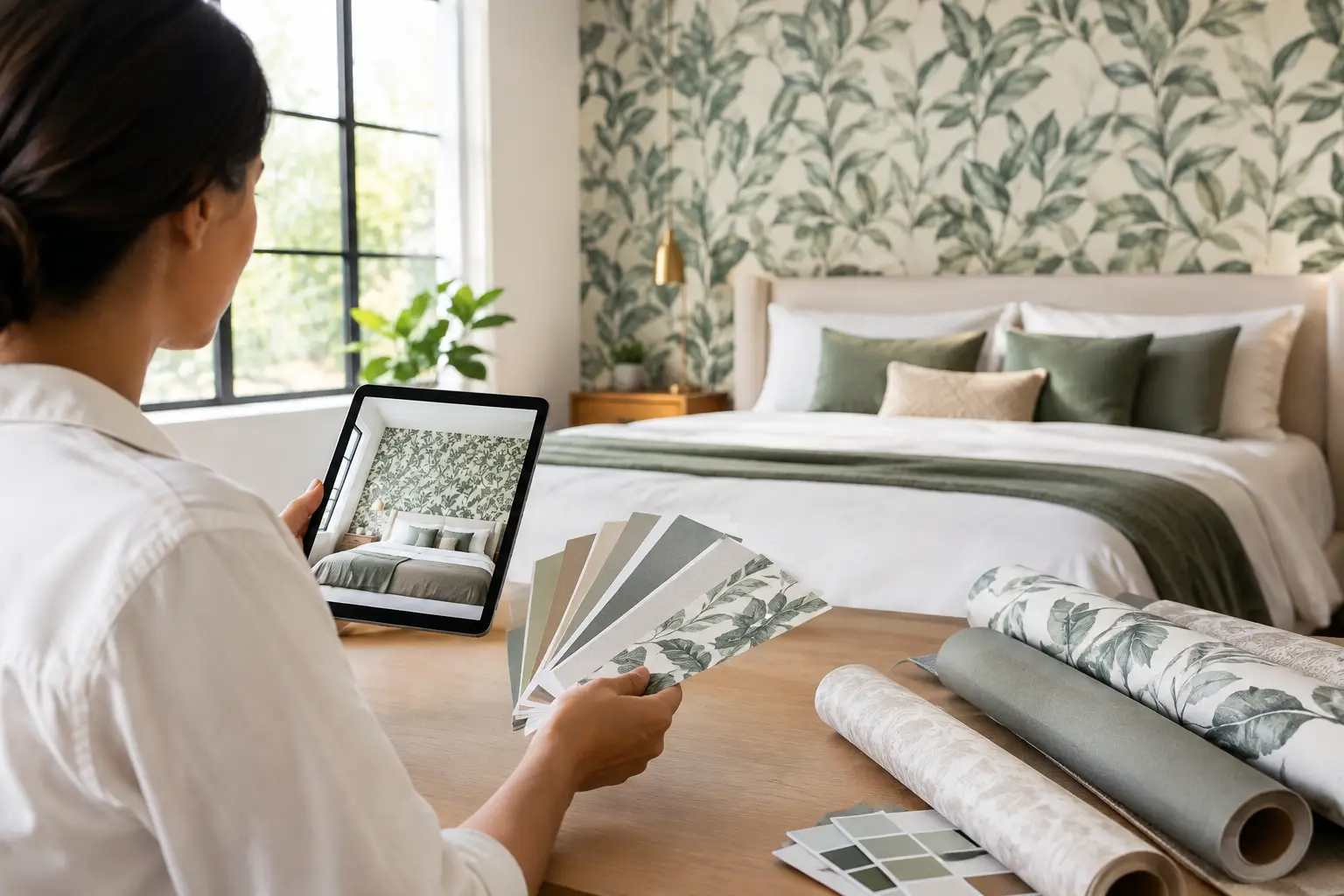
A custom wall mural should support the room rather than compete with every object in it. Look at the colors already present in flooring, upholstery, cabinetry, and lighting. You do not need a perfect color match, but repeating one or two tones from the mural in pillows, bedding, or accessories creates a more connected result.
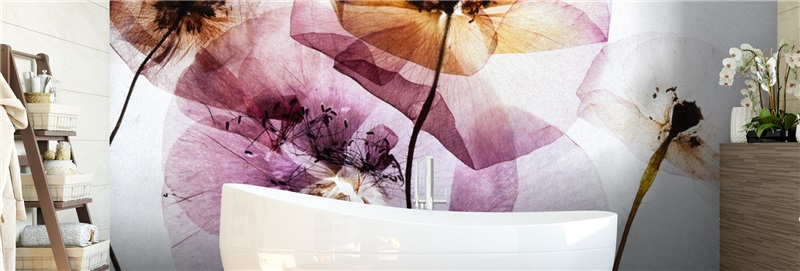
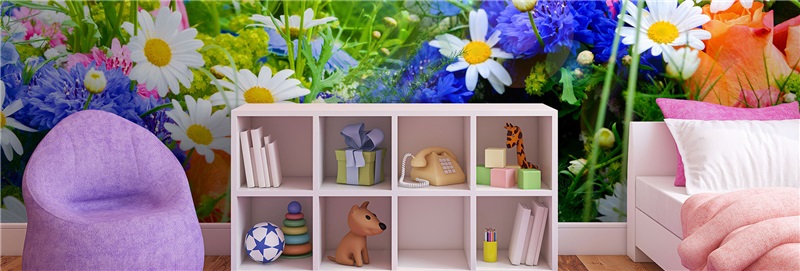
For bedrooms, forests, coastlines, misty landscapes, florals, and muted abstract designs often create a calming focal point. A child’s room can carry more playful energy, with animals, maps, outer space, sports, or a favorite illustrated scene. In home offices, a world map, architectural image, or restrained graphic pattern can add character without making video calls feel visually crowded.
Commercial projects require another layer of consideration. Reception areas, wellness spaces, boutiques, restaurants, and offices often need visual consistency across multiple walls or locations. The right image can reinforce a brand atmosphere, but it should also suit lighting conditions, furniture layouts, and the way visitors move through the space. A high-contrast mural behind a reception desk may be memorable, while a softer image can make a waiting room feel more comfortable.
A catalog design is a practical choice when you want a professionally prepared visual with a clear style direction. Personal photography is more meaningful when the image has a story attached to it: a travel memory, a landscape you captured, a child’s artwork, or a company image with permission for large-format use. Both options can create a strong room-scale statement. The better choice depends on whether your priority is personal connection, a specific visual theme, or an existing interior concept.
Image Quality Matters More at Wall Scale
An image that looks sharp on a phone is not always suitable for a full wall. Screens display images at a small size and can hide softness, compression, or digital noise that becomes noticeable when enlarged. The original file is almost always preferable to a screenshot, social media download, or image forwarded repeatedly through messaging apps.
Resolution matters, but it is not the only factor. A well-composed image with a distinct subject and good light can often perform better than a technically large file with heavy blur or poor exposure. Cropping also matters. If the most important part of a photograph sits near the edge, it may be trimmed during sizing or panel installation unless the layout is planned carefully.
Before placing an order, think about what must remain visible. With a family portrait, that may mean keeping faces away from seams. With a landscape, it may mean centering the horizon or placing a landmark where it will not be hidden by a headboard. With a repeating pattern, alignment may be more important than a specific focal point.
Murale Design reviews customer-supplied images and can provide design assistance before production. That review is especially helpful for large walls, photographs with uncertain quality, or layouts that need a custom crop. It is far easier to resolve a file issue before printing than after a mural has arrived.
Material and Finish Should Match the Project
Custom wall coverings are not all made from the same material, and the right choice depends on the surface and intended use. Murale Design self-adhesive murals use textured matte vinyl and UV latex inks. The separate commercial wallpaper option requires wallpaper adhesive. Review the material specifications and installation requirements before selecting either system.
That does not mean every wall is ready for installation immediately. Fresh paint needs adequate curing time, and dusty, textured, damaged, or poorly bonded paint can affect adhesion. Very rough textures can show through the graphic or make it harder for the vinyl to contact the wall evenly. If you are unsure, preparing a small test area or discussing your wall surface before ordering is a sensible step.
Finish affects the appearance of the artwork under windows and track lighting. For a restaurant, retail setting or active family space, also consider cleaning needs and repeated contact. Review the specifications for the exact material rather than assuming that every printed wall covering has the same performance.
Plan the Installation Before Delivery Day
A well-printed mural deserves an equally careful installation. Clear the wall area, remove outlet covers if appropriate, and move furniture far enough away to give the installer room to work. The wall should be clean, dry, and free of dust, grease, and loose paint. Good preparation is not glamorous, but it helps prevent the avoidable problems that can distract from a beautiful finished wall.
Most large-format custom wallpaper is supplied in numbered panels. Installing them in order helps preserve the design across the full width of the wall. The first panel is particularly important because it establishes the alignment for every panel that follows. Rather than relying only on a corner, use a level or plumb line. Corners are frequently less straight than they appear.
For a straightforward, open drywall wall, a careful DIY installation may be realistic for homeowners who are comfortable measuring, leveling, and working patiently. Tall walls, stairwells, complex architecture, and high-value commercial spaces may justify professional installation. This is one of those cases where the right answer depends on the wall, the material, and your confidence with the process.
Keep the room at a reasonable temperature during installation, and avoid rushing the panels. Pressing the material smoothly from the center outward helps reduce trapped air. If an obstacle interrupts the mural, make small, controlled cuts rather than cutting away too much at once. Installation guidance is worth following closely because every panel contributes to the overall image.
Make the Feature Wall Feel Finished
Once the mural is installed, give it room to do its job. A large visual often needs less decoration around it, not more. Choose furniture that supports the composition: a low bed beneath a forest canopy, a simple console against a city view, or natural wood accents with a coastal image. Let the wall remain visible enough to create the impact you planned for.
Lighting makes a meaningful difference as well. Warm lamps can soften botanical and landscape murals, while directional lighting can bring depth to architectural scenes and textured abstract designs. If glare appears at certain times of day, adjust lamp placement or window treatments before assuming the design itself is the issue.
The best custom wallpaper does more than fill an empty surface. It gives a room a sense of place, whether that place is a favorite shoreline, an imagined jungle, a graphic color field, or a visual identity built for a business. Start with accurate measurements, choose an image that earns its scale, and give the installation the attention it deserves. The wall will carry the result every day.