A blank wall can make a room feel unfinished, but the answer is not always another neutral paint color. Biophilic decor uses visual and material connections to nature to make interiors feel calmer, warmer, and more restorative. It can be as simple as a leafy wall mural behind a bed or as layered as a full room plan built around natural light, plants, texture, and organic forms.
The goal is not to turn every room into a greenhouse. The most successful spaces use nature with intention, giving the eye a place to rest while supporting the way the room is actually used. A dramatic forest mural may suit a quiet bedroom, while a sunlit botanical pattern can bring energy to a home office or reception area.
What Biophilic Decor Means in a Real Room
Biophilic design is based on the idea that people respond positively to connections with the natural world. In interiors, that connection can be direct, such as living plants and daylight, or indirect, such as a landscape image, wood grain, water-inspired color, or a curved furniture silhouette.
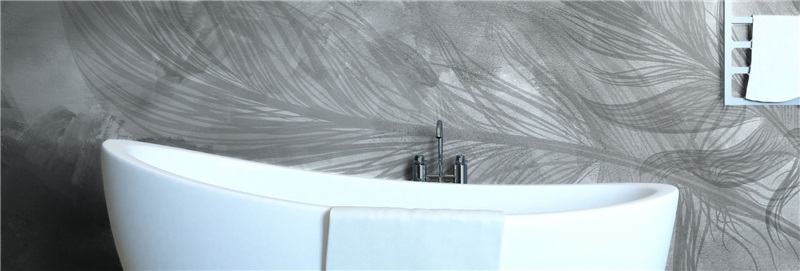
For homeowners and renters, biophilic decor does not require a major renovation. It is a design approach rather than a strict style. A contemporary apartment can use large-scale palm leaves in a clean black-and-white palette. A traditional home may lean into woodland scenes, linen textures, muted greens, and botanical art. The right version depends on your architecture, light level, and how much visual presence you want the room to have.
Wall decor is especially useful because it can establish the natural setting immediately. A room-scale mural creates depth that a small framed print cannot, whether the image is misty pines, a coastal horizon, oversized florals, or an abstract interpretation of stone and water.
Start With the View You Want to Create
Before choosing plants or accessories, decide what kind of natural experience the room should suggest. This keeps the design from becoming a collection of unrelated leaves, baskets, and green pillows.
A forest scene creates enclosure and quiet, making it well suited to bedrooms, reading corners, wellness rooms, and spaces that need a sense of retreat. A beach, lake, or soft ocean image feels open and airy, which can help compact living rooms or windowless offices feel less confined. Florals bring movement and color, while desert landscapes, branches, and stone textures offer a more restrained connection to nature.
Scale matters as much as subject matter. In a small room, a distant pathway, horizon, or misty tree line can visually extend the space. In a larger room, close-up tropical foliage or oversized flowers can carry a feature wall without getting lost. If the mural will sit behind furniture, consider where the headboard, sofa back, shelving, or desk will cover the design. The most important visual area should remain visible above and around those pieces.
For a personal approach, a high-resolution travel photo, family cottage view, garden image, or landscape photograph can become custom wall decor. Image quality is critical for large-format printing. A professional review before production can help confirm that an image has enough resolution for its final wall size and that cropping will preserve the focal point.
Choose One Dominant Natural Element
A biophilic room feels considered when it has a clear anchor. That may be a mural, a large indoor tree, a wall of windows, or a substantial wood feature. Once the anchor is in place, the remaining elements should support it rather than compete with it.
For example, a leafy green mural may need only a few real plants, a light wood side table, and warm textiles. Adding busy floral curtains, multiple patterned rugs, and colorful plant pots could make the room feel crowded. On the other hand, a minimal landscape mural can handle more texture in the furnishings because the wall image is quieter.
Build Layers Beyond Plants
Living plants are valuable, but they are not the only way to make a room feel connected to nature. They also require the right light, regular care, and placement away from pets or high-traffic areas. If your home has limited daylight or your schedule is demanding, use a mix of living and nonliving elements instead of relying on plants alone.
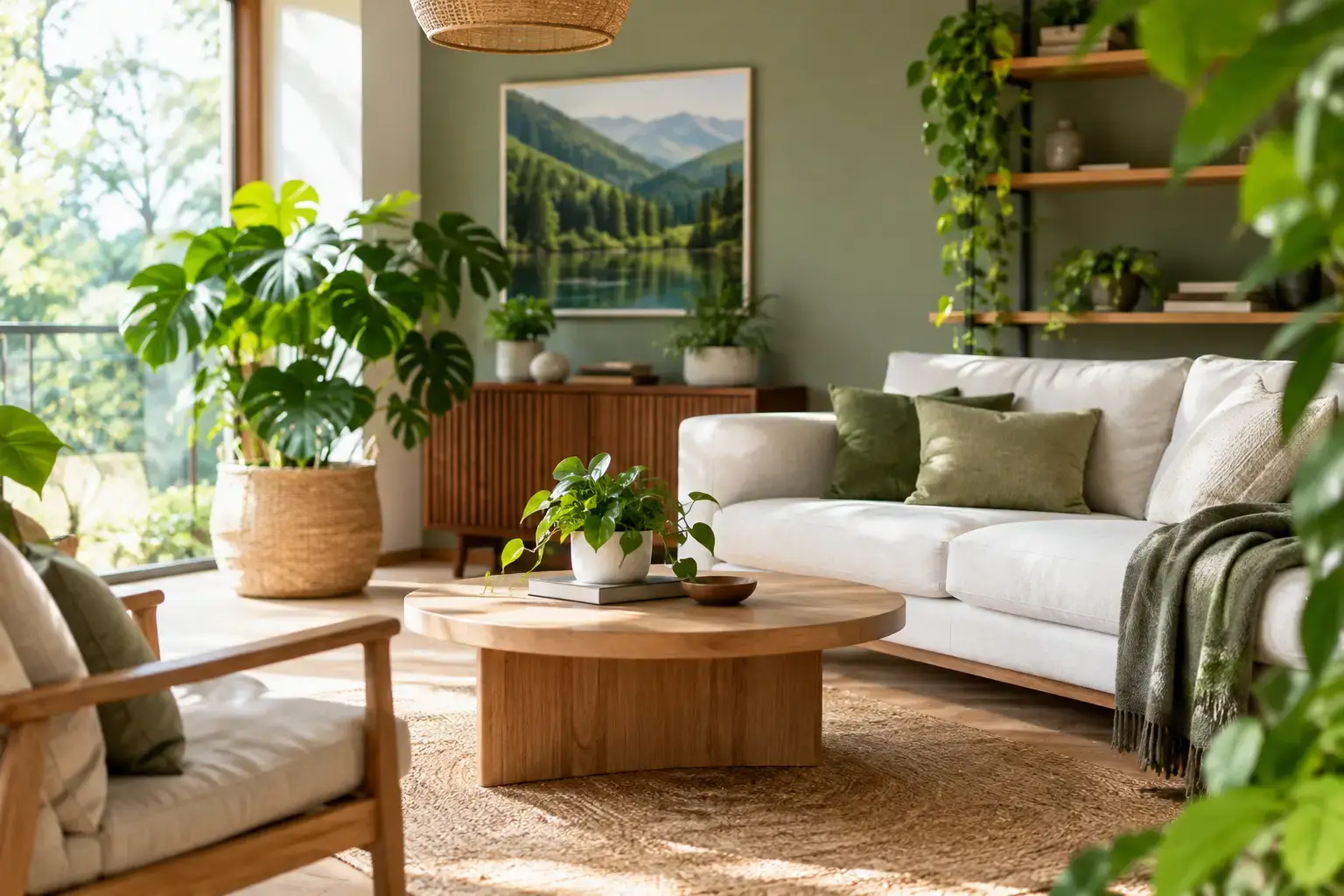
Start with natural-looking color. Greens are an obvious choice, but biophilic palettes also include clay, sand, bark brown, soft blue, charcoal, cream, and the gray-green of lichen. These colors tend to work best when they vary in tone. A room with one flat shade of green can feel themed; a range of moss, olive, sage, and warm neutrals feels more dimensional.
Then add texture. Wood, woven fibers, linen, cotton, ceramic, rattan, stone, and matte metals bring tactile contrast. You do not need every material in one space. A wood console and linen curtains may be enough to balance a large botanical wall covering. In a commercial setting, durable wood-look finishes and scratch-resistant wall graphics can provide the look while meeting practical maintenance needs.
Lighting deserves equal attention. Natural themes look best under warm, layered lighting rather than a single harsh overhead fixture. Use window treatments that allow daylight to filter through when privacy permits, then add table lamps, floor lamps, or wall sconces for evening. A mural with deep greens or a shaded forest scene may benefit from directed light so the printed details remain visible after sunset.
Biophilic Decor by Room
In a bedroom, biophilic design should support rest. Choose softer imagery such as foggy mountains, quiet woods, clouded skies, botanical line work, or gentle coastal scenes. Avoid placing a visually intense jungle print directly opposite the bed if you prefer a low-stimulation environment. A mural behind the headboard is often the strongest placement because it creates impact without becoming the last thing you see at night.
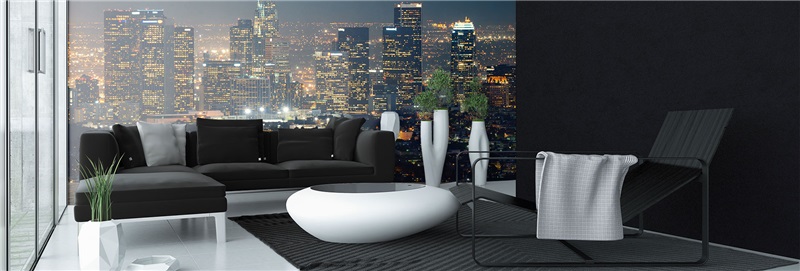
Living rooms can take more contrast and scale. Consider a panoramic landscape, a floral wall with a controlled color palette, or a rich forest image behind a sofa. Pull two or three colors from the mural into pillows, upholstery, and a rug, but leave plenty of neutral space so the room still feels easy to live in.
For home offices, nature imagery can give a video-call backdrop more personality without looking distracting. A distant landscape, green canopy, or subtle abstract leaf design usually works better than a high-contrast print packed with detail. Position the design where it will appear behind you only if the area stays reasonably tidy and well lit.
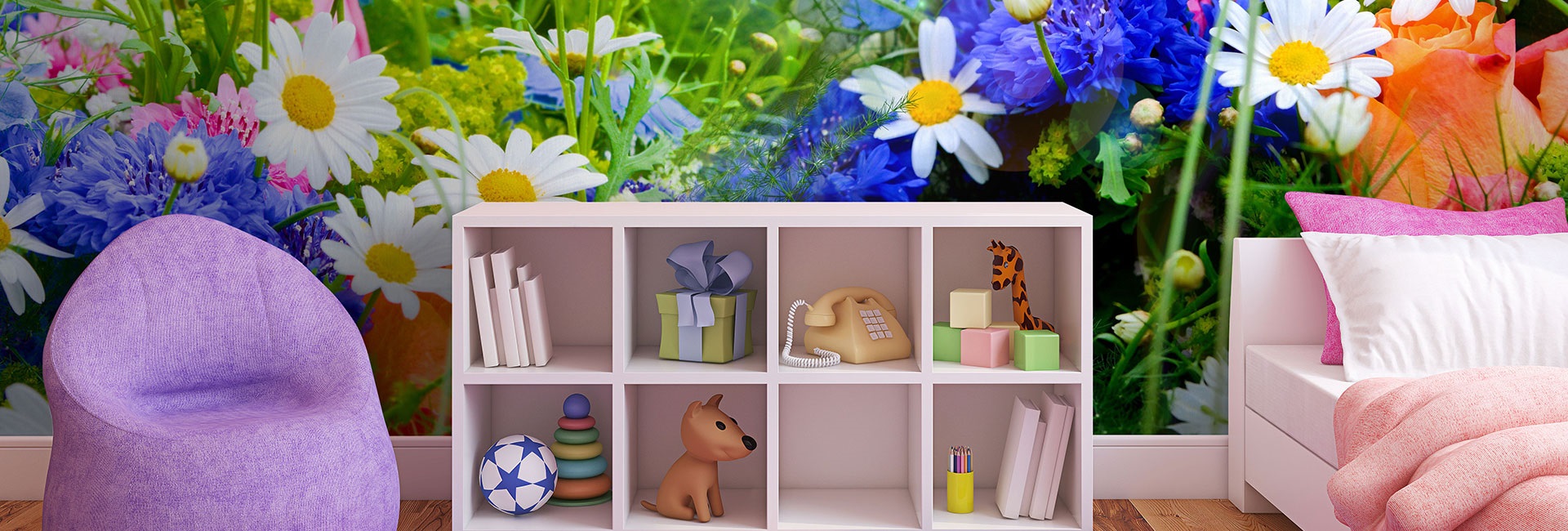
Nurseries and kids' rooms benefit from imaginative versions of biophilic decor: woodland animals, jungle scenes, mountains, garden florals, or ocean life. Keep the scale age-appropriate and allow room for the child’s interests to evolve. A removable-looking trend may be tempting, but a well-chosen mural with a timeless nature theme can remain suitable for years.
In hospitality, retail, wellness, and office projects, the same principles can strengthen a brand environment. A spa may use calm water imagery and muted botanicals, while a café or boutique might choose bolder foliage. Here, custom sizing and color consistency are especially useful because walls often include doors, built-ins, signage, or unusual dimensions.
Plan the Wall Before You Order
A wall mural is a made-to-order design element, so accurate preparation makes a noticeable difference. Measure the full width and height of the wall in several places, since walls are not always perfectly square. Include a small allowance for trimming, and note obstructions such as outlets, vents, windows, doors, and wall-mounted fixtures.
The wall surface should be clean, smooth, dry, and properly cured if it has recently been painted. Heavily textured walls, peeling paint, or moisture-prone areas can affect adhesion and the final appearance. Adhesive vinyl wall coverings are designed for painted drywall when the surface is prepared correctly, but the right material and installation plan can vary by project.
Think about panel layout, too. Large graphics are typically produced in manageable panels, and careful alignment creates the finished image. If you are working around a complex wall or installing in a commercial space, professional installation may be worthwhile. For a straightforward feature wall, clear instructions, a clean work area, and patience are often the difference between a stressful project and a satisfying one.
Murale Design can help customers move from inspiration to a correctly scaled wall graphic, including reviewing custom images and advising on artwork suited to large-format printing. That support is useful when a natural scene looks perfect on a phone screen but needs to perform across an entire wall.
Let Nature Feel Personal, Not Prescriptive
The best biophilic interiors do not follow a checklist. A city apartment may connect to nature through a single misty mountain mural and a few sculptural branches. A bright family home may use colorful florals, washable finishes, and hardy plants. A minimalist office may need only a textured wall image and better access to daylight.
Choose the natural setting you genuinely want to spend time in, then give it enough space to work. When the imagery, materials, and lighting share a common mood, the room can feel more grounded long before you add the final plant to the shelf.