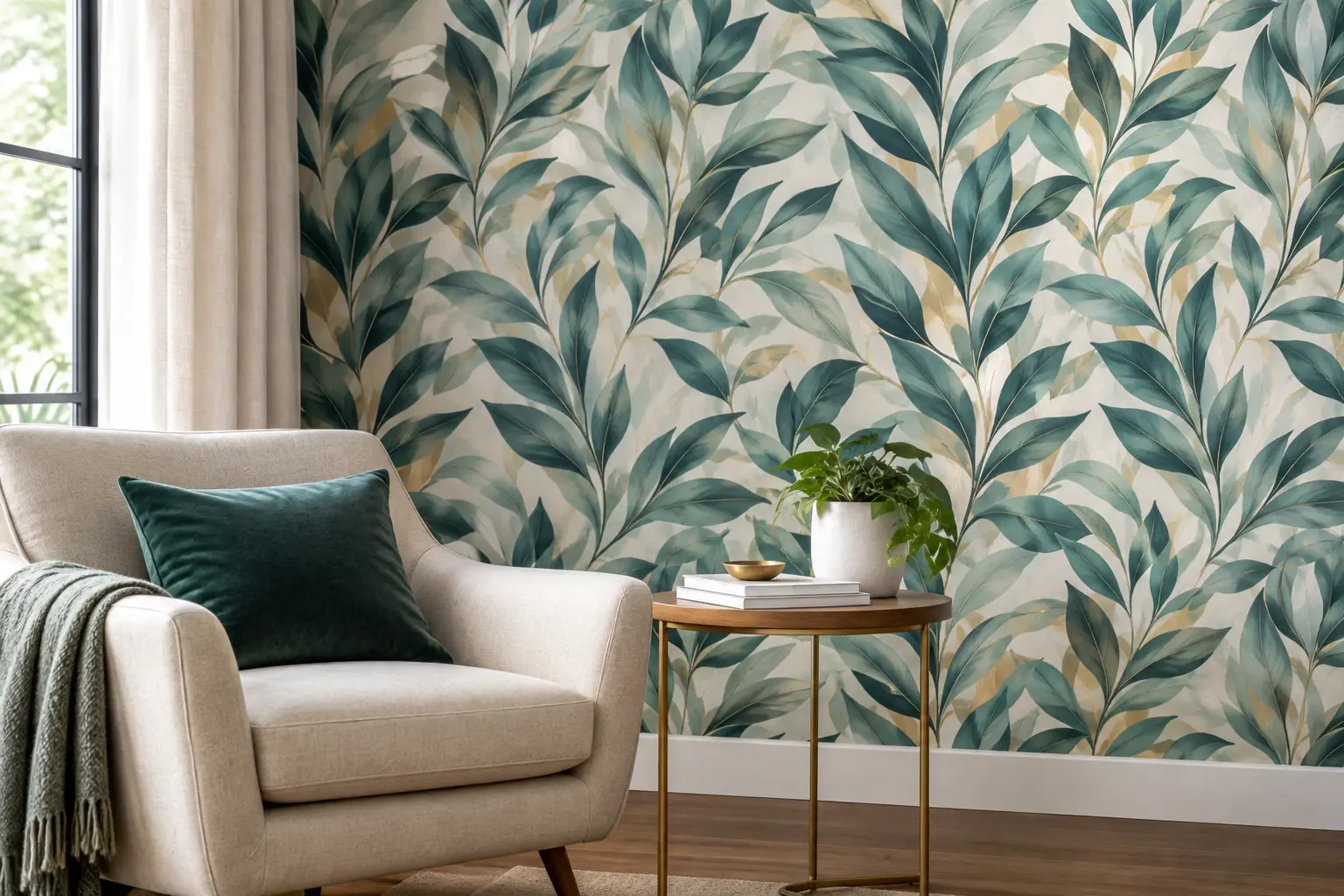
A blank wall can make a well-furnished room feel unfinished. Vinyl wallpaper gives that wall a job: set the mood, establish a point of view, or turn a personal image into the part of the room people remember. Unlike a small framed print, a wall-scale design changes the visual architecture of a space.
For a homeowner, that may mean a misty forest behind the bed, oversized florals in a powder room, or a custom family photograph across a living room feature wall. For a designer or commercial buyer, it can mean a branded reception area, a calming wellness-space backdrop, or a consistent visual language across several rooms. The best result is not simply about choosing an attractive image. It comes from matching the artwork, material, wall conditions, and final dimensions to the space.
What Vinyl Wallpaper Is Made to Do
Vinyl wallpaper is a broad term, and materials can vary considerably. For interior wall graphics, adhesive vinyl film is valued for its clean printed finish, durability, and direct application to properly prepared painted drywall. It gives a mural the appearance of a continuous designed surface rather than an added decorative object.
At Murale Design, custom wall coverings are printed with latex inks and finished with an anti-scratch surface. That combination matters in rooms that see regular activity, such as hallways, bedrooms, offices, retail spaces, and shared work areas. Latex printing produces rich color without the heavy odor associated with some older print methods, while a protective finish helps the mural stand up to everyday contact.
Vinyl is not a substitute for wall repair. It will not hide peeling paint, deep dents, moisture damage, or pronounced texture. In fact, a detailed mural can make those surface issues more visible. A smooth, clean, dry, fully cured wall creates the best foundation for both adhesion and a polished appearance.
Choosing Vinyl Wallpaper That Fits the Room
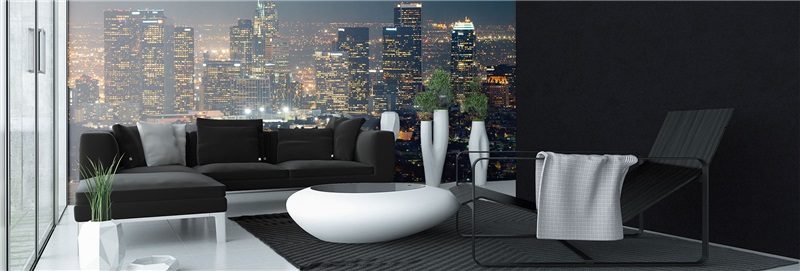
The right design starts with what the room needs to feel like, not just what looks good in a thumbnail. Large-format imagery has more visual weight than a throw pillow or a piece of art. A high-contrast cityscape can add energy to a home office, while a soft watercolor landscape may make a bedroom feel quieter and more spacious.
Scale is the decision many people underestimate. A small repeating pattern may feel busy when enlarged across an entire wall. A photograph with one clear focal point, such as a horse, mountain peak, tropical leaf, or architectural landmark, usually reads beautifully at mural scale. Abstract designs are especially flexible because they can supply color and movement without demanding that furniture be arranged around a literal subject.
Consider the wall from the most common viewing position. In a dining room, people may see it while seated. In an entryway, the wall is often viewed quickly from a distance. Behind a bed or sofa, the center of the image may be partly concealed, so artwork with important details near the middle can be less effective. Shifting the focal point or choosing a design with edge-to-edge interest often solves the problem.
Light also changes the decision. Sunlit rooms can support deeper greens, saturated blues, and dramatic dark backgrounds. In a darker hallway or basement office, a pale beach scene, airy botanical pattern, or light-toned map can help the space feel more open. Samples and screen previews are useful, but paint colors, window direction, and existing finishes should always have the final say.
Personal Photos Need More Than Sentimental Value
A favorite photo can become exceptional custom wallpaper, but image quality determines whether it can be printed at wall scale. A phone photo that looks sharp on a screen may not contain enough detail for a ten-foot-wide mural. Cropping also matters: an image with a person standing near one edge may need adjustment once panel seams, furniture placement, and the wall's proportions are considered.
This is where design review is practical, not ornamental. Before production, image quality should be checked for resolution, sharpness, color, and suitability at the requested dimensions. A good print partner can recommend a crop, suggest a different wall size, or help identify an alternative image before an order becomes a permanent room feature.
Measure Before You Fall in Love With the Design
Custom sizing is one of the biggest advantages of vinyl wall coverings. It avoids the compromise of trying to force a standard roll into a nonstandard wall. Still, accurate measurements are essential.
Measure the wall's full width and height in several places, especially in older homes where ceilings and corners may not be perfectly square. Use the largest measurement, then allow a small amount of extra material for trimming during installation. Note obstacles such as doors, windows, outlets, vents, built-in shelving, and sloped ceilings. They do not automatically rule out a mural, but they affect where the artwork should sit.
For feature walls, furniture is part of the measurement conversation. A six-foot-wide headboard, for example, changes how a mural's central subject will be seen. In a commercial setting, consider signage, reception desks, displays, and traffic flow before confirming the final layout. Sending wall photos with measurements can prevent avoidable placement issues.
Panels Make Large Walls Manageable
Large custom murals are typically produced in vertical panels rather than one oversized sheet. Panels make printing, packing, handling, and installation more practical. Their seams are designed to align into a unified image, but success still depends on beginning with a level first panel and working carefully across the wall.
For a straightforward rectangular wall, many confident DIY customers can achieve a professional-looking application with patient preparation and the right tools. Complex walls, high installations, large commercial projects, or installations around extensive millwork may be better suited to an experienced installer. That is not a reflection on the material. It is simply a question of project scale, wall conditions, and tolerance for precision work.
Preparing the Wall for a Clean Finish
Most installation problems begin before the wallpaper leaves its backing. The wall should be smooth, clean, dry, and free of dust, grease, loose paint, and residue. Freshly painted walls need adequate time to cure according to the paint manufacturer's guidance. Applying adhesive vinyl too soon can affect adhesion or pull at paint during future removal.
Repair nail holes and cracks, then sand patched areas until they are flush with the surrounding surface. Wipe down the wall and allow it to dry completely. If the wall has a heavy orange-peel texture, unfinished drywall, moisture concerns, or a specialty coating, pause before ordering. A smoother substrate or professional advice may be needed to get the finish you expect.
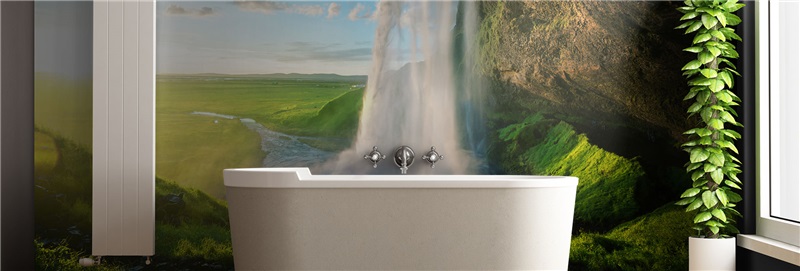
Room temperature matters as well. Very cold surfaces, high humidity, or an active moisture issue can interfere with installation. Bathrooms and kitchens can work when the wall is dry, well ventilated, and outside direct splash zones, but they deserve more careful assessment than a climate-stable bedroom wall.
Where Vinyl Wallpaper Makes the Biggest Impact
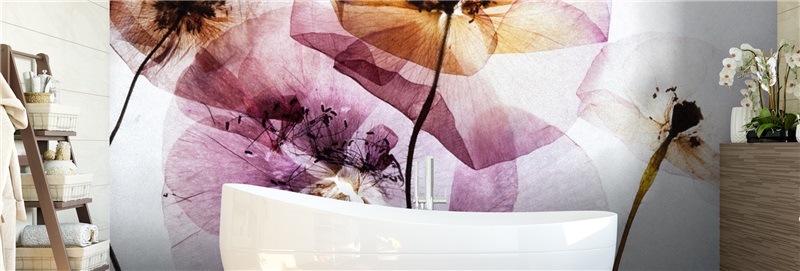
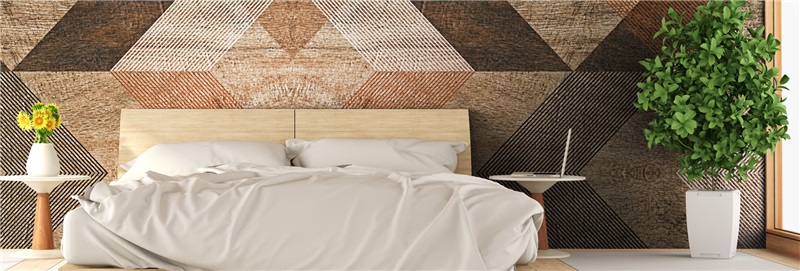
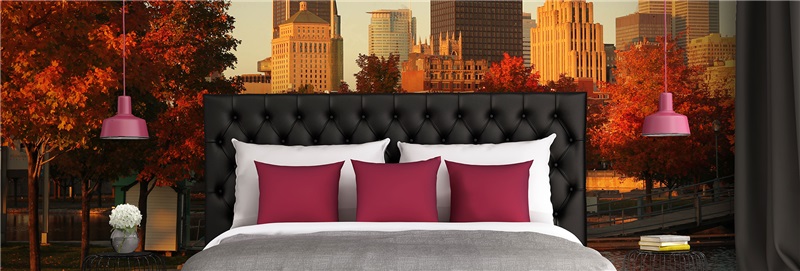
Bedrooms are natural candidates because one mural can define the room without adding visual clutter. A forest, cloudscape, floral design, or muted abstract behind the bed creates a complete backdrop while leaving nightstands and bedding free to stay simple.
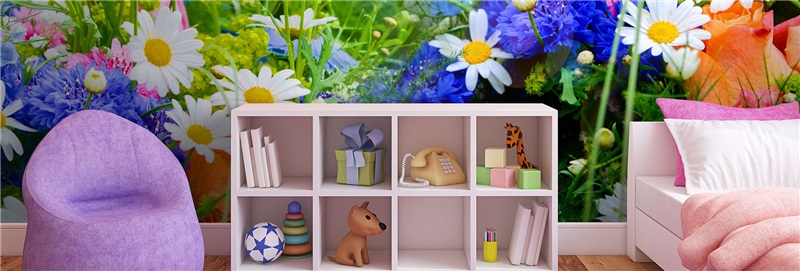
In nurseries and kids' rooms, wall coverings can establish a playful theme without relying on temporary decals that may look pieced together. Animals, maps, space scenes, gentle florals, and illustrated landscapes can grow with the room when the palette and composition are chosen thoughtfully.
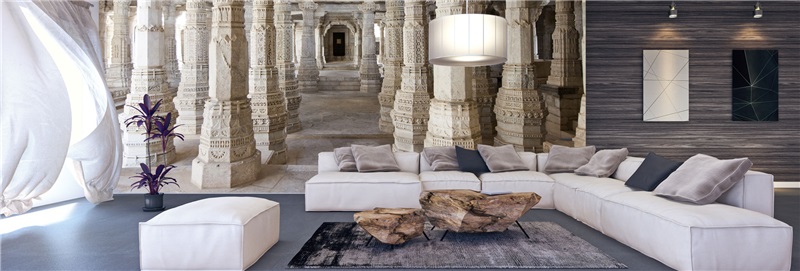
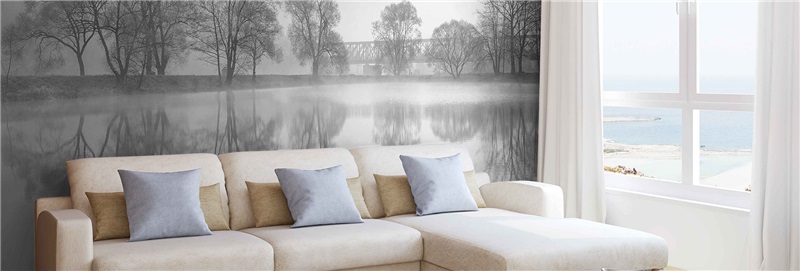
Living rooms and home offices benefit from designs that hold up to frequent viewing. A sophisticated abstract, architectural scene, or textured neutral mural can give the room depth without competing with everyday activity. For commercial interiors, custom vinyl wallpaper can make a waiting area, boutique, hospitality space, or office feel more intentional and recognizable from the first visit.
The trade-off is that bold wall décor asks for restraint elsewhere. If the mural is high contrast or highly detailed, simplify nearby art, fabrics, and accessories. If the room already has patterned upholstery or dramatic flooring, choose a quieter wall design. A feature wall should lead the conversation, not compete with every surface around it.
A Better Way to Order a Custom Wall Covering
Start with the wall, then select the image. This order keeps the project grounded in real dimensions and actual room conditions. Decide whether you want a catalog design, a personal image, or artwork created around a specific concept. Then confirm the finished wall size, focal point, and any obstacles before production begins.
For professionals, it is worth establishing these details early in the specification process: final dimensions, panel layout, substrate condition, installation responsibility, and project timing. For homeowners, a few clear photographs of the wall and an honest assessment of DIY comfort can guide the same decisions.
The most satisfying mural projects are rarely the ones chosen fastest. Give the wall a little attention before committing. When the image is properly scaled, the color belongs in the room, and the surface is ready, vinyl wallpaper becomes less like decoration and more like a lasting part of the interior.
![Best Bathroom Mural Ideas to Elevate the Room [even for small bathroom]](/assets/documents/article/image/sans-titre.jpg)