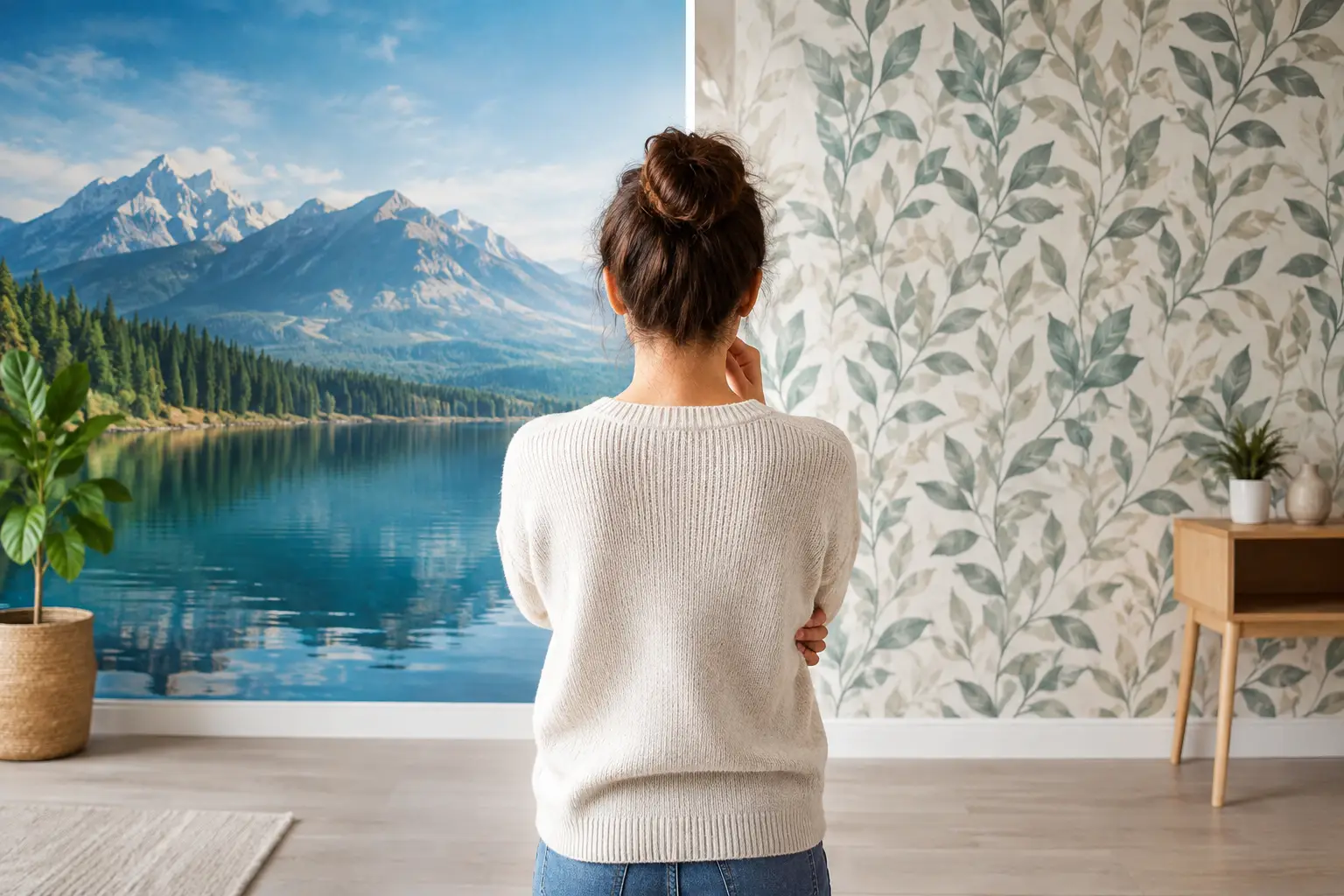
A blank wall can ask for two very different things: a subtle finish that supports the room or a full-scale visual moment that defines it. When comparing vinyl murals versus wallpaper, the better choice is not simply about pattern. It comes down to the image you want, the condition of the wall, the permanence you expect, and how much precision the project requires.
Traditional wallpaper is a familiar option for repeating prints, tactile finishes, and layered interiors. Custom adhesive vinyl murals are designed for a different purpose: turning one wall into a continuous scene, oversized photograph, map, abstract composition, or personal image made to fit your exact dimensions. Both can look exceptional. The key is choosing the material that matches the wall's job.
Vinyl murals versus wallpaper: the essential difference
Wallpaper is generally sold as rolls or panels with a repeating pattern. It may be paper-based, nonwoven, fabric-backed, vinyl-coated, or solid vinyl, and installation often involves paste, booking time, pattern matching, and trimming. Its appeal is rhythm. A botanical print, stripe, or small-scale geometric can continue across multiple walls and create a cohesive envelope around the room.
A vinyl mural is a large-format printed graphic, usually produced in custom-sized vertical panels. Rather than repeating a motif, the artwork is composed as one image across the entire finished wall. At Murale Design, murals are printed on adhesive vinyl film with durable latex inks and an anti-scratch finish, then sized to the project rather than pulled from a standard roll length.
That distinction affects nearly every design and installation decision. Wallpaper decorates a surface. A mural can change the perceived architecture of a space.
Choose a mural when the image is the main event
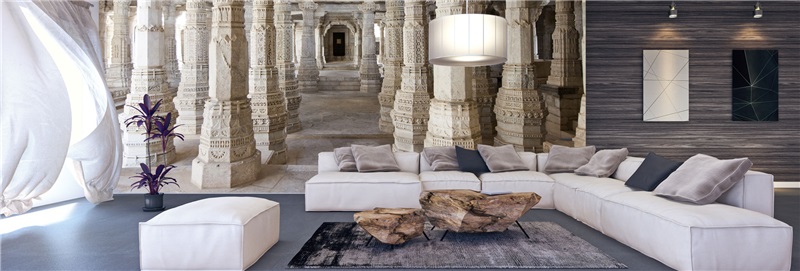
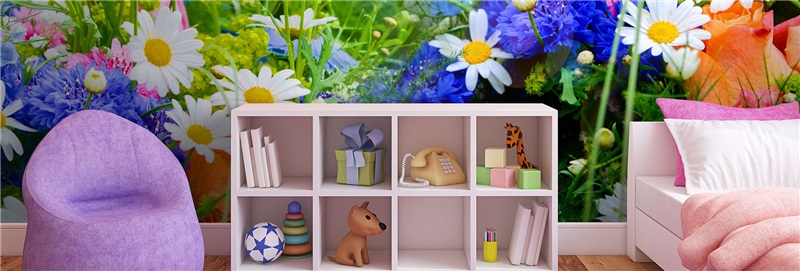
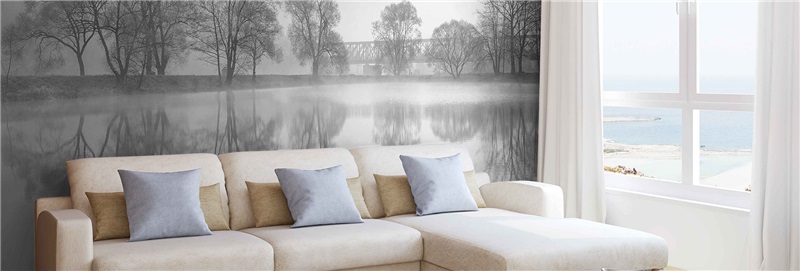
Vinyl murals are especially effective when there is one wall that deserves visual focus. A misty forest behind a bed can make a compact bedroom feel more restful. A coastal horizon can open up a windowless office. A world map can give a playroom or study a sense of curiosity without requiring extra accessories on the wall.
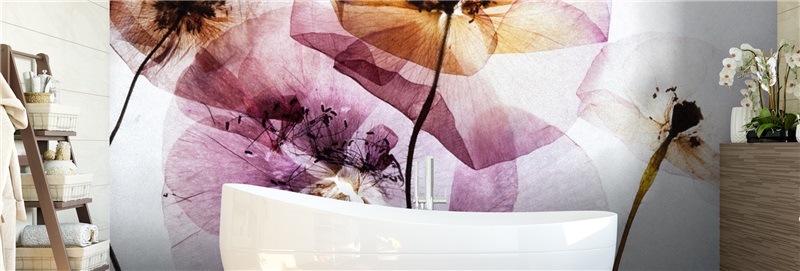
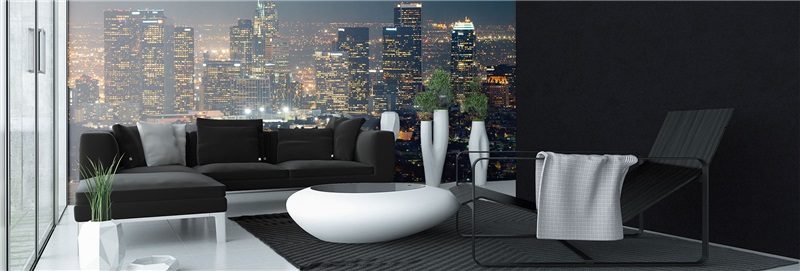
Custom sizing is a major advantage here. A mural can be made for the actual width and height of the installation area, including unusually wide feature walls, tall ceilings, alcoves, or commercial reception spaces. This gives designers and homeowners greater control over scale. A large flower, city skyline, or abstract artwork can be positioned intentionally instead of cut off by the repeat of a pre-sized roll.
Murals also make personal photography practical at room scale. A favorite travel image, family landscape photo, branded visual, or original artwork can become a wall covering, provided the source file has enough resolution for large-format printing. Image review matters. An image that looks sharp on a phone may not hold up across an eight-foot wall, which is why design assistance before production can prevent an expensive disappointment.
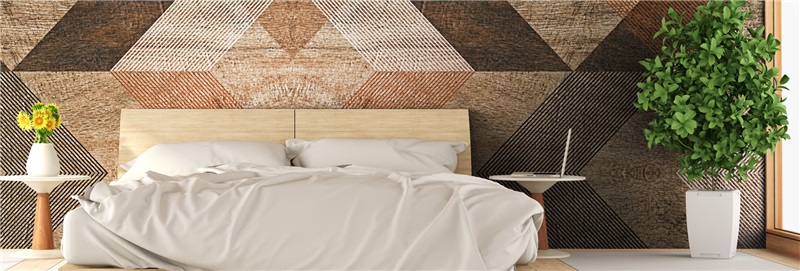
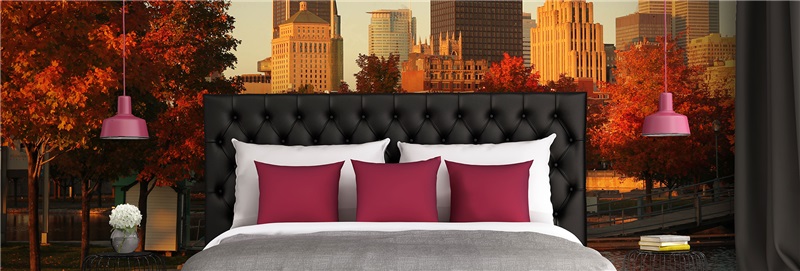
There is a design trade-off. Because a mural is one complete composition, furniture placement needs to be considered early. A tall dresser or headboard may cover the focal area of the scene. Before ordering, decide where the eye should land and take accurate measurements of the visible wall, not just the room.
Choose wallpaper when repetition and texture matter
Wallpaper often wins when you want atmosphere rather than a single picture. Repeating patterns create a layered, tailored effect in dining rooms, powder rooms, hallways, and spaces where every wall is intended to participate in the design. A small-scale print can feel classic and collected; a bold repeat can feel energetic without relying on one large image.
It may also be the stronger choice when tactile character is essential. Grasscloth-inspired finishes, embossed papers, linen looks, and specialty textures can add depth that a smooth printed mural does not replicate in the same physical way. If the goal is material richness first and imagery second, wallpaper deserves serious consideration.
That said, wallpaper demands care during layout. Pattern repeats must align from strip to strip, and installers need to account for waste around windows, doors, and corners. Complex rooms can require more material than expected. Seams are part of the finished look, though a skilled installation makes them far less noticeable.
Traditional wallpaper can also be a more involved commitment. Depending on its construction and adhesive system, removal may require steaming, scoring, soaking, or repair work afterward. That is not necessarily a drawback in a long-term home renovation, but it should be part of the plan for renters, frequent redecorators, or commercial spaces with changing campaigns.
Installation depends on wall preparation, not just material
No wall covering performs well on a poorly prepared surface. Adhesive vinyl murals need a clean, smooth, dry painted drywall surface for reliable adhesion. Dust, grease, texture, flaking paint, and fresh paint that has not fully cured can all compromise the result. A wall that appears smooth from across the room may still show bumps, dents, or texture under a large, detailed image.
Wallpaper has its own preparation requirements. Walls may need primer or sizing, especially when paste is involved, and surface imperfections can telegraph through thinner papers. Existing wallpaper should generally be removed rather than covered, unless the product and wall conditions clearly support installation over it.
For adhesive vinyl, installation is typically more straightforward because the backing is already adhesive. Panels are applied in sequence with careful alignment and smoothing. The work still requires patience, particularly on wide walls or around obstacles, but there is no paste to mix or open time to manage. Having a second person available is a sensible choice for larger murals.
Neither option is a shortcut around wall repair. Fill holes, sand uneven areas, clean thoroughly, and allow fresh paint to cure according to the paint manufacturer's guidance. Those few preparation steps have a greater effect on the final appearance than most people expect.
Durability and maintenance: think about the room's use
For dry, well-maintained interior walls, both wallpaper and printed vinyl can provide years of visual impact. The right choice depends on traffic, cleaning needs, and exposure to moisture. A nursery, home office, bedroom feature wall, or living room usually offers friendly conditions for either material.
Vinyl murals are a practical fit for spaces that need a durable printed surface. Latex inks and a scratch-resistant finish help protect the image from normal day-to-day contact. For routine care, gentle dusting or light cleaning with a soft, damp cloth is generally preferable to abrasive products or aggressive scrubbing.
Wallpaper durability varies substantially by type. Some vinyl wallpapers are washable and highly durable; delicate paper, fabric, or natural-fiber options require a gentler approach. Do not assume all wallpaper is equally suitable for high-touch areas, children's spaces, or commercial settings. Review the exact material specification before selecting it.
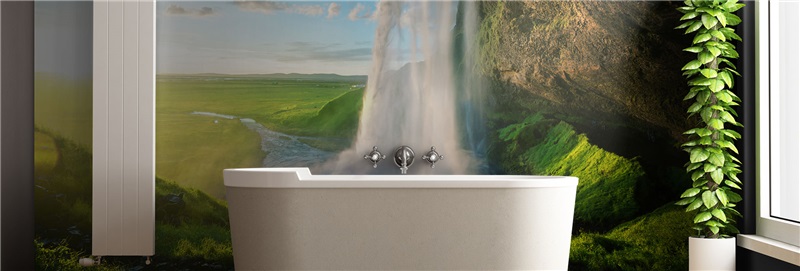
Bathrooms, laundry rooms, and other humid environments require additional caution with either option. Ventilation, direct water exposure, and wall condition matter more than the design itself. If moisture is an ongoing issue, solve that first. A beautiful wall covering should not be asked to compensate for a damp wall.
Cost is about more than the price per square foot
Wallpaper can appear less expensive at first, especially for a small accent area or a readily available pattern. But the total project cost may include extra rolls for repeat matching, paste, primer, tools, and professional installation. For intricate rooms, waste can be significant.
A custom mural is priced around the finished wall dimensions and production requirements. You are paying for custom scaling, large-format printing, and an image made specifically for the space. It can be especially cost-effective when one dramatic wall replaces the need for multiple smaller art pieces, paint treatments, or decorative layers.
For trade professionals, consistency is often the deciding factor. A custom mural can be specified to a precise elevation and visualized around furnishings before production. That control is valuable in hospitality, retail, offices, wellness spaces, and staged properties where the wall needs to look intentional from the first reveal.
How to make the right call for your wall
Choose wallpaper if you want an all-over pattern, physical texture, or a traditional decorative finish that wraps the room. Choose a vinyl mural if the wall needs a custom image, exact dimensions, and a strong focal point with minimal visual interruption.
If you are still torn, start with the room's purpose. Ask whether the wall should disappear into a larger design scheme or become the reason people remember the room. Then measure carefully, assess the wall surface honestly, and select artwork that still feels right after the furniture is in place. The most successful choice is the one that makes the room feel more like yours, not merely more decorated.
![Best Bathroom Mural Ideas to Elevate the Room [even for small bathroom]](/assets/documents/article/image/sans-titre.jpg)