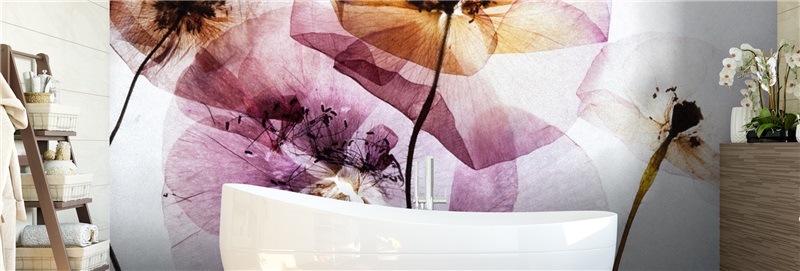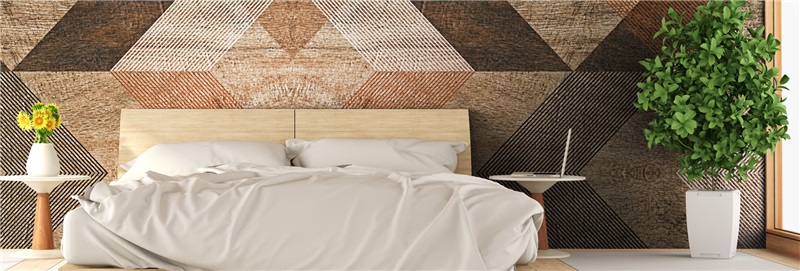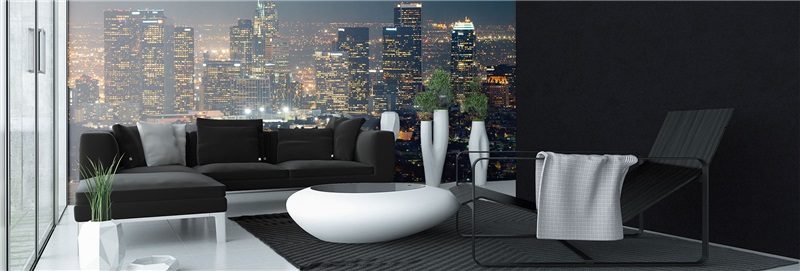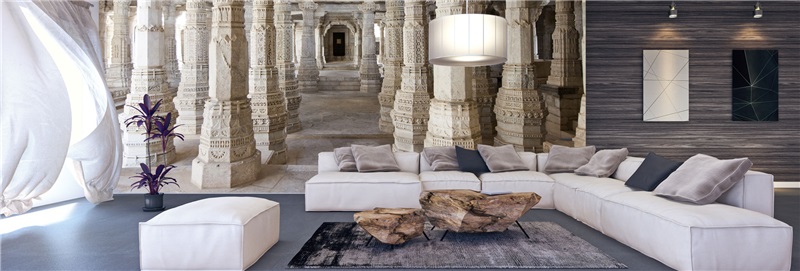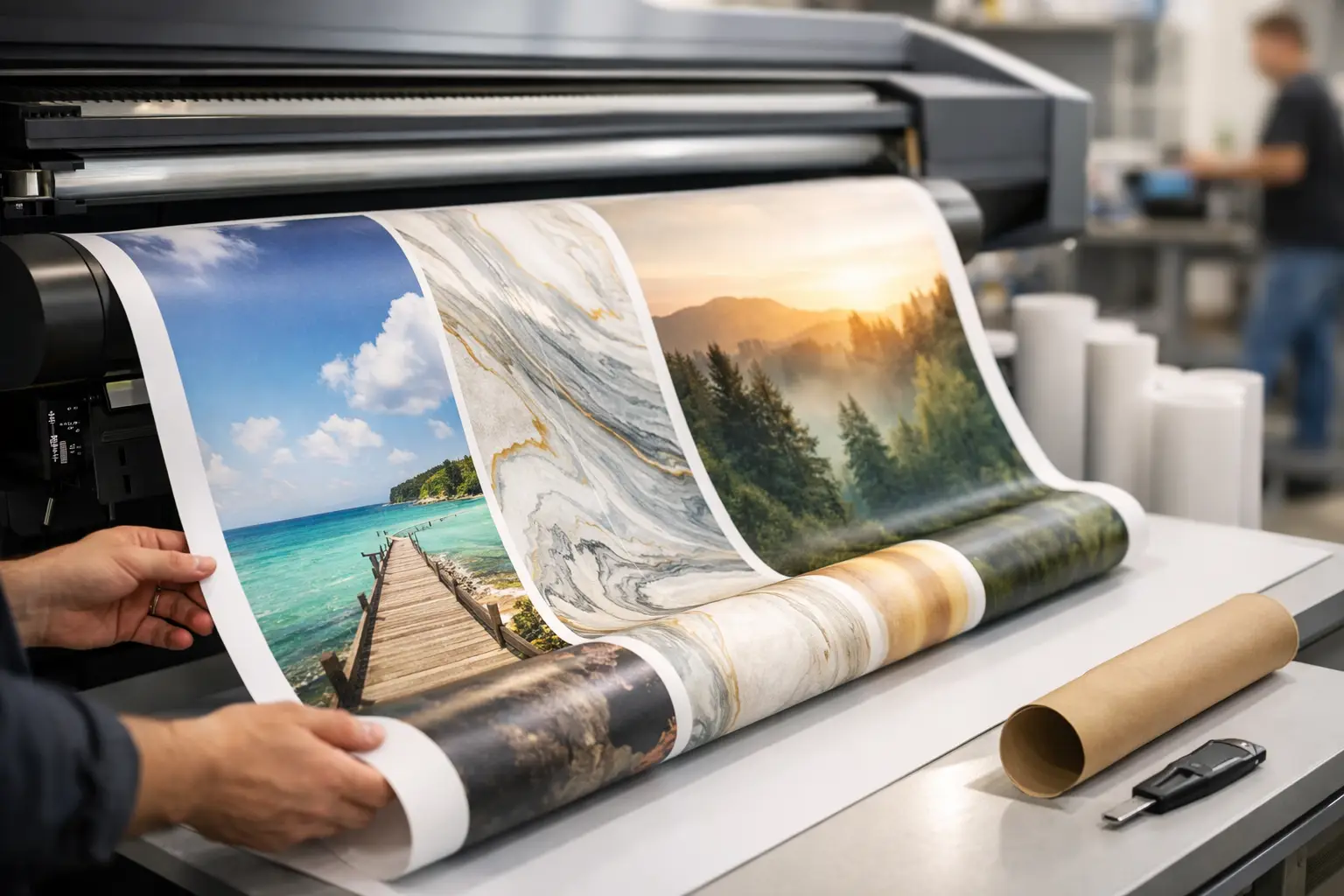
A vacant wall before a nursery reveal, a retail opening, or a client presentation has a way of making every day count. Rush custom wallpaper printing can help meet a tight decorating deadline, but speed works best when the creative and technical decisions are already clear. A custom mural is made to your wall dimensions and printed specifically for your project, so a few early checks can prevent the kind of delay no one wants.
What a Rush Timeline Really Requires
A rush order is not simply a standard order moved to the front of the line. It depends on whether the artwork is ready, the wall size is confirmed, the material is available, and the production schedule has room to accommodate the project. Shipping time is a separate part of the schedule, and installation should also be given its own realistic window.
The fastest projects tend to be the ones with one clear point of contact and finalized decisions. If you are choosing between two images, waiting on a contractor to confirm a measurement, or still deciding whether the mural should stop above a chair rail, resolve those questions before requesting expedited production. Revisions are worthwhile when they protect the finished result, but they can change the timeline.
For homeowners, this often means ordering before furniture delivery or a planned room reveal. For designers, it means building artwork approval, wall verification, printing, freight, and installation into the project schedule rather than treating wallcovering as the final item on the punch list.
Start With the Wall, Not the Image
A beautiful forest, abstract composition, cityscape, or family photograph only works as a mural when it is sized for the actual installation area. Measure the full width and height of the wall in inches, checking in more than one place. Older homes and newly finished spaces can both have walls that vary slightly from corner to corner.
Include the area you want covered, not only the most visually open section of the wall. Account for baseboards, crown molding, sloped ceilings, windows, doors, built-ins, outlets, and switches. A mural can be trimmed around obstructions during installation, but that requires enough printed material to work with. It is generally safer to confirm the full finished dimensions first and discuss any unusual wall conditions before production begins.
Wall condition matters just as much when the schedule is tight. Adhesive vinyl wall murals are intended for properly prepared painted drywall. Fresh paint may need time to cure, while dusty, textured, damaged, or recently patched surfaces can affect adhesion and the final appearance. Rushing the print does not solve a wall that is not ready to receive it.
Confirm the viewing distance and focal point
Large-format artwork is experienced differently from a phone screen. A detailed photo may look excellent from across a room but become soft when viewed close up. Conversely, a simple watercolor, oversized floral, map, or graphic pattern can have more visual impact on a large feature wall than a busy image with many small details.
Think about where people will stand. In a bedroom, the mural may be seen first from the doorway and then up close from the bed. In a reception area, it may need to read clearly from several yards away. This helps determine whether the image should feature a central subject, a quieter texture, or a composition that can be cropped without losing its point of interest.
Choose Artwork That Can Print at Scale
The most common rush-order obstacle is not the printer. It is an image file that is too small for the intended wall. An image that looks crisp online may not contain enough information for a room-scale print, particularly if it has been saved from social media, sent through a messaging app, or enlarged repeatedly.
Whenever possible, provide the original file from the camera, designer, photographer, or stock source. Avoid screenshots and compressed copies. If you are using a personal photo, select the highest-resolution original available and keep edits minimal until image quality has been reviewed.
Professional image review is especially valuable under a deadline. An experienced print and design team can evaluate whether the file is suitable for the requested dimensions, identify likely softness or pixelation, and help determine a crop that protects the strongest part of the image. At Murale Design, that review brings digital printing and graphic-design experience into a decision that can otherwise feel like guesswork.
If your file is borderline, there may still be options. A smaller coverage area, a different crop, a design treatment, or another image may produce a better result than forcing an undersized file across an entire wall. The right choice depends on the artwork and the room, but it is better to make that decision before the mural is printed.
Keep Rush Custom Wallpaper Printing Moving
Once the wall and artwork are settled, the project benefits from a simple, accurate handoff. Be ready to provide final wall width and height, the selected image or design, desired orientation, and any relevant details about trim, doors, outlets, or architectural features. If the order is for a commercial space, include site access constraints and the date the wall must be installation-ready.
A few habits reduce back-and-forth during rush custom wallpaper printing:
- Submit the largest original artwork file available rather than a screenshot or preview image.
- Measure twice, including the highest and widest points of the installation area.
- Approve the crop, scale, and design proof promptly once the visual direction is correct.
- Share a clear deadline, including whether it is a delivery date or an installation date.
- Keep a little schedule margin for wall preparation, shipment, and installation.
That final point is easy to overlook. A mural can arrive on time and still miss the room reveal if the painter is finishing touch-ups, the wall is not clean and dry, or the installer cannot access the space. Rush production is most useful when every part of the project is coordinated around the same date.
Know What You Are Ordering
Custom mural wallpaper is often supplied in vertical panels rather than one oversized sheet. Panel construction makes a large wall covering more manageable to ship, handle, align, and install. Before installation, panels should be laid out in order so the image flow is understood from left to right.
Material selection also affects the experience of the finished wall. Adhesive vinyl film offers a practical path for many painted drywall applications because it is made for mural-scale graphics and can be installed without traditional wallpaper paste. Durable latex inks provide rich color, while an anti-scratch finish helps the surface stand up to normal use in active homes, offices, and client-facing spaces.
Still, material is not a substitute for preparation. Highly textured walls, surfaces with moisture concerns, peeling paint, or walls that have not cured after painting may call for a different plan. If the site has special conditions, raise them early. This is particularly relevant in bathrooms, commercial environments, and renovation projects where substrate conditions can vary from one wall to the next.
Plan Installation Before Delivery Day
For a straightforward feature wall, careful DIY installation may be a reasonable option when you have a clean workspace, a helper, and the patience to align panels accurately. Read the installation instructions in advance rather than opening them while the first panel is already exposed. Gather the recommended tools, clear furniture away from the wall, and make sure the room is at a suitable temperature.
For tall walls, complex architectural cuts, multi-panel installations, or high-visibility commercial work, professional installation can be the better use of time. The trade-off is cost versus certainty. A trained installer is often better equipped to manage panel alignment, corners, obstructions, and large-format handling, especially when a project has little room for rework.
Do not schedule installation so tightly that there is no chance to inspect the shipment. Check the panels, confirm the layout, and make sure the wall is ready before the installer arrives. A calm inspection window is one of the most valuable forms of deadline protection.
When It Is Better Not to Rush
There are times when a fast turnaround is the wrong priority. If you are uncertain about an image, still testing paint colors, or waiting for new drywall to be finished, a brief pause may save money and frustration. The mural will become one of the largest visual elements in the room. Giving it one more day of thoughtful review can be more valuable than gaining one day in production.
The best rush project is not the one completed at maximum speed. It is the one that arrives ready to install, fits the wall correctly, and makes the space feel intentional the moment it goes up.
![Best Bathroom Mural Ideas to Elevate the Room [even for small bathroom]](/assets/documents/article/image/sans-titre.jpg)