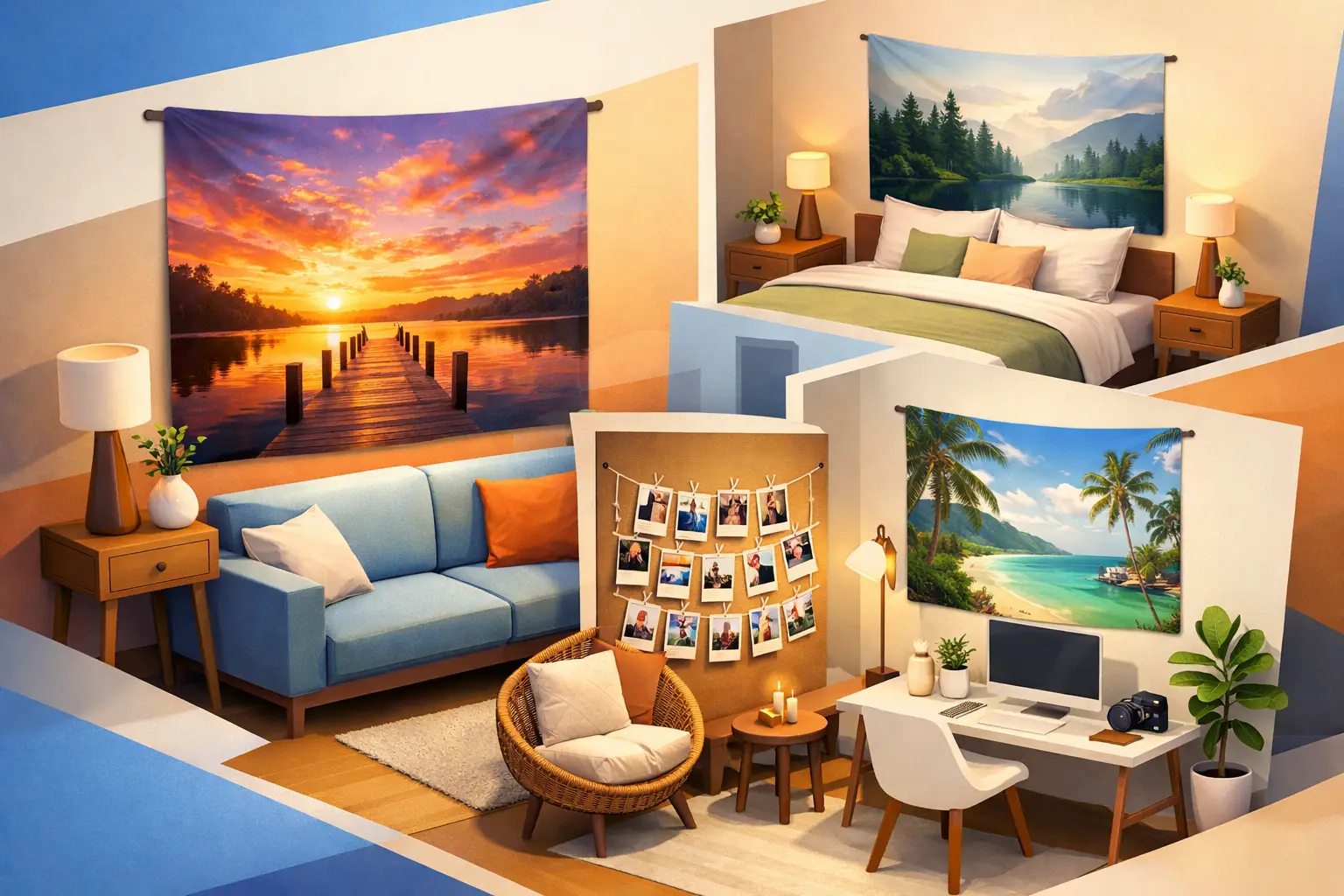
A photo tapestry wall hanging can give one meaningful image the visual presence it deserves. Instead of keeping a favorite travel view, wedding portrait, pet photo, or family moment on a phone, you can turn it into a soft, room-defining focal point. The key is treating it as part of the interior design plan, not simply as an oversized snapshot.
A well-chosen tapestry brings warmth to a blank wall and offers a less permanent alternative to wallpaper or a full mural. It is especially useful in bedrooms, dorm rooms, apartments, nurseries, and creative workspaces where personality matters but flexibility is valuable.
Start With a Photo Worth Enlarging
Not every image that looks good on a phone will hold up beautifully across a large wall. A tapestry enlarges every detail, including soft focus, digital noise, heavy filters, and poor lighting. The stronger the original file, the more refined the finished wall hanging will look.
Choose the highest-resolution version of your image, ideally the original camera file rather than a screenshot, social media download, or image forwarded repeatedly by text. Images from newer smartphones can work well at moderate sizes when they are sharp and properly exposed. Files from dedicated cameras generally provide more room to scale up.
The subject matters as much as the technical quality. Photos with a clear focal point tend to read best from across the room: a person against an open landscape, a horse in a field, a coastal horizon, a city skyline, or a close-up of a beloved pet. Busy group photos and heavily cluttered backgrounds can still work, but they often need a larger format so individual faces and details do not feel compressed.
Before ordering, consider the crop. A horizontal landscape photo naturally suits a wide wall, while a vertical portrait can create a striking statement above a chair, bed, or console. Square images may require extra background at the sides or a more compact hanging format. Do not assume that every edge of the original photo will appear in the final design. Cropping is often what makes the composition feel intentional.
Match the Tapestry Size to the Wall
A photo tapestry wall hanging should feel generous enough to command attention without swallowing the entire room. For most spaces, begin by measuring the clear wall area rather than estimating from furniture alone. Note nearby doors, windows, wall sconces, outlets, and vents that could interrupt the image.
Above a bed, sofa, or desk, a tapestry generally looks balanced when it spans a substantial portion of the furniture width without extending far beyond it. A small hanging over a wide bed can look accidental; a very large one can make a compact bedroom feel crowded. Leave visible wall space around the piece so the room has visual breathing room.
Ceiling height also changes the decision. In a room with standard ceilings, a wide horizontal tapestry may add width and calm. In a narrow room or space with tall ceilings, a vertical design can draw the eye upward. If you are decorating a rental, consider whether you want the hanging to become the main feature wall or work alongside removable décor, shelving, and smaller framed pieces.
For commercial interiors, scale becomes even more important. A photo tapestry in a reception area, boutique, wellness studio, or office lounge should remain legible from the typical viewing distance. Images with a simple, bold composition often make the strongest impact in larger shared spaces.
Choose an Image That Supports the Room’s Mood
A personal photo does not have to look casual. The right image can establish a color palette and reinforce the purpose of the room.
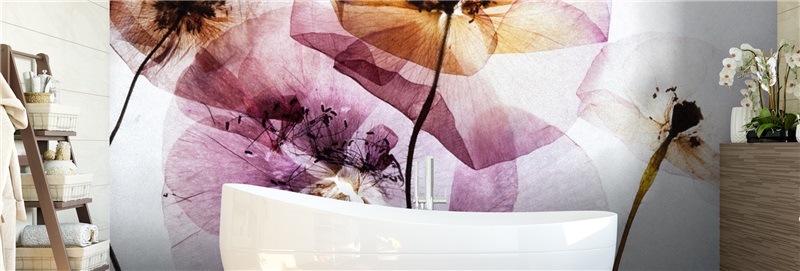
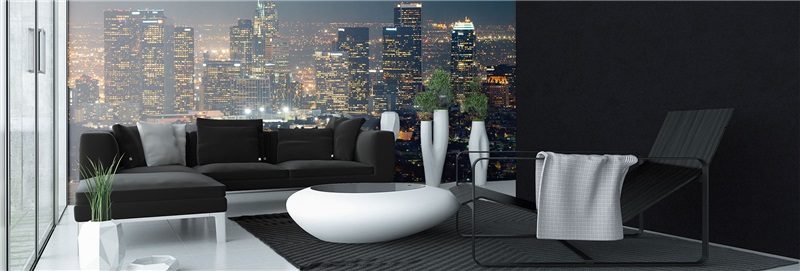
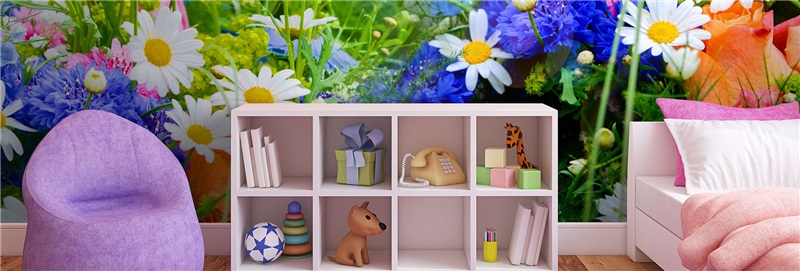
In a bedroom, soft coastal scenes, misty forests, botanical close-ups, and candid family photos can create a relaxed atmosphere. For a nursery or child’s room, a photo of a favorite animal, a gentle outdoor scene, or a custom image paired with playful color can feel personal without becoming visually overwhelming. In a home office, architectural photography, travel memories, or a clean black-and-white cityscape can provide character while keeping the setting focused.
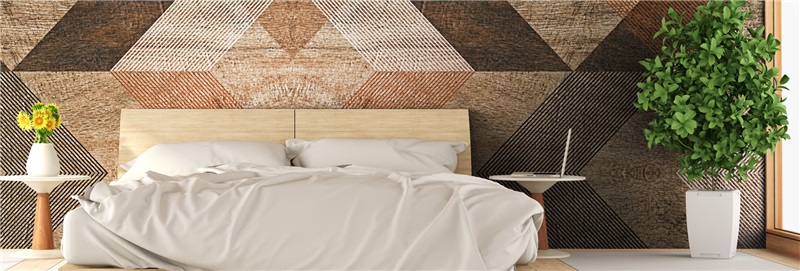
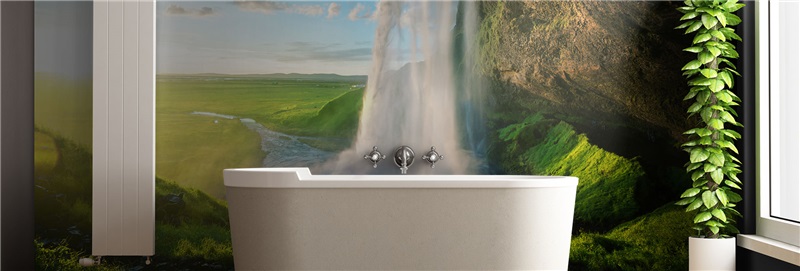
Color deserves a close look. Pull one or two shades from the image into pillows, bedding, rugs, or curtains rather than trying to match every color exactly. A tapestry with deep greens and warm neutrals can ground a room with natural wood and cream textiles. A bright beach photo may benefit from simpler surrounding furnishings so the wall remains the main event.
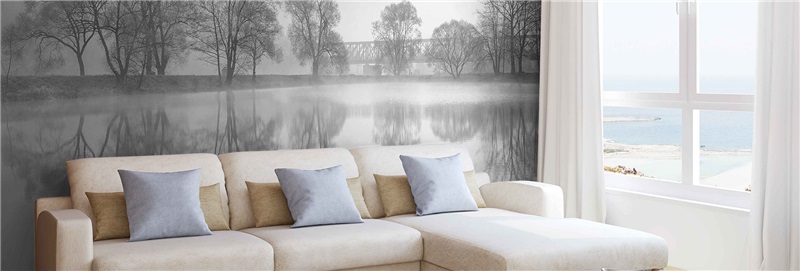
Black-and-white photos are a smart option when the room already has several colors or patterns. They give portraits and architectural scenes a gallery-like quality while reducing the risk of visual competition. On the other hand, a richly colored image can be exactly what a neutral room needs. It depends on whether the goal is a calm backdrop or a lively focal point.
Plan for Cropping, Color, and Viewing Distance
The best wall-scale photos are designed for how they will be seen. Up close, viewers may notice fabric texture and fine image detail. From several feet away, composition, contrast, and color take over. This is why a photo with a strong subject and a clean background often performs better than one packed with tiny details.
Avoid placing an important face, landmark, or object too close to an edge. A little extra space around the subject provides flexibility during cropping and helps the image feel less constrained. If a photo has a beautiful center but distracting edges, that is not necessarily a problem. A tighter crop may improve it.
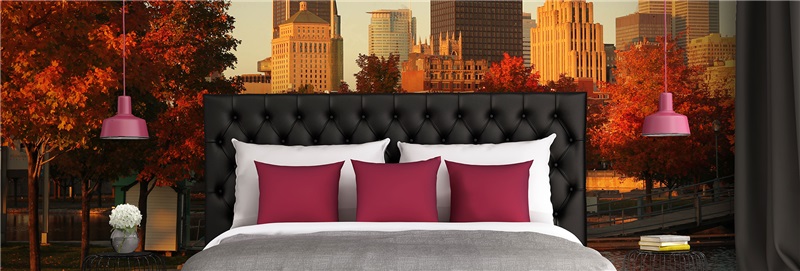
Also consider lighting in the finished room. Direct afternoon sun can change how colors appear and may be harder on any printed décor over time. A wall with indirect natural light or controlled interior lighting is usually a safer choice. If the tapestry will hang behind a bed or seating area, check how much of the design will be hidden by pillows, headboards, or furniture backs.
For custom large-format projects, having image quality reviewed before production reduces uncertainty. Experienced print and design support can flag files that may appear soft at the requested size, suggest a better crop, or help determine whether a different dimension would suit the image more naturally.
Hang It So It Looks Finished
A tapestry may be lightweight, but the installation approach affects the final result. The goal is a smooth, level display with enough support to prevent sagging or curled corners. Follow the hanging method recommended for the specific tapestry and your wall type, especially if you are working with textured drywall, plaster, or a rental agreement that limits wall alterations.
Center the hanging based on the furniture or functional zone below it, not always the full wall. For example, above a sofa, align it with the sofa center. Above a desk, align it with the desk or the chair position. This small adjustment makes the room feel organized even when the furniture is not centered on the wall itself.
If you prefer a cleaner, more structured look, a rod or wood hanger can give the textile a defined top edge. A relaxed drape suits bohemian, coastal, and eclectic rooms, while a tauter display feels more tailored in contemporary spaces. Make sure the lower edge clears furniture enough to remain visible and easy to maintain.
When a Tapestry Is the Right Choice
A tapestry and a custom wall mural solve different design needs. A tapestry is a strong choice when you want warmth, movement, and an easily changeable layer of décor. It can soften a room with hard surfaces and bring a personal image into the space without committing to a full adhesive wall installation.
A custom mural may be better when the image needs to cover a complete feature wall with crisp architectural scale, edge-to-edge impact, and a more integrated finish. Printed wall coverings are also useful when a room needs a specific custom dimension around fixed features. Murale Design can help evaluate artwork and dimensions for projects where a mural, canvas, or tapestry is the better visual fit.
The best choice comes down to the wall, the image, and how permanent you want the transformation to feel. Give your favorite photo enough room to breathe, choose a size that belongs with the furniture, and let the finished piece tell its story every time you enter the room.
![Best Bathroom Mural Ideas to Elevate the Room [even for small bathroom]](/assets/documents/article/image/sans-titre.jpg)