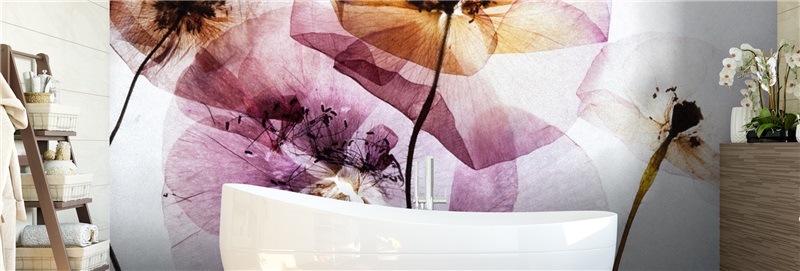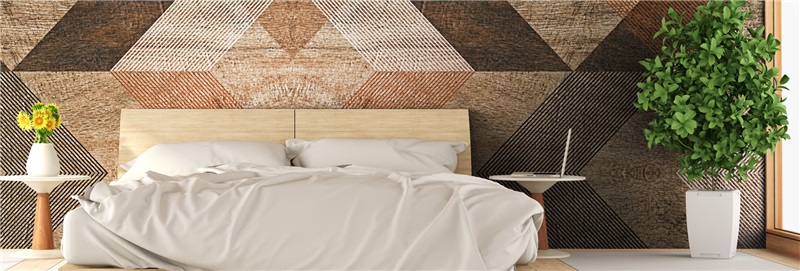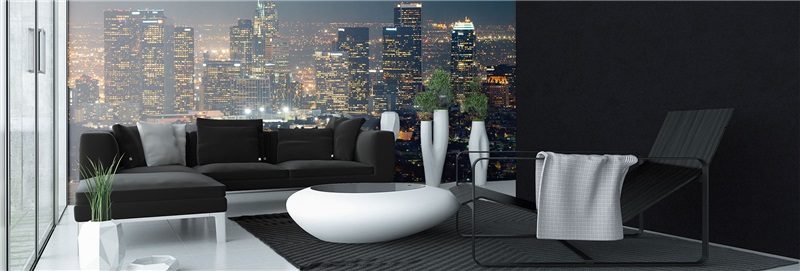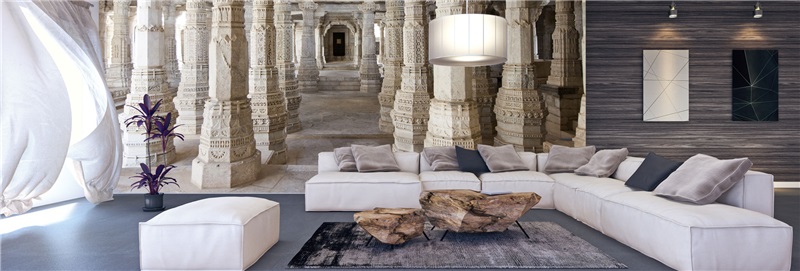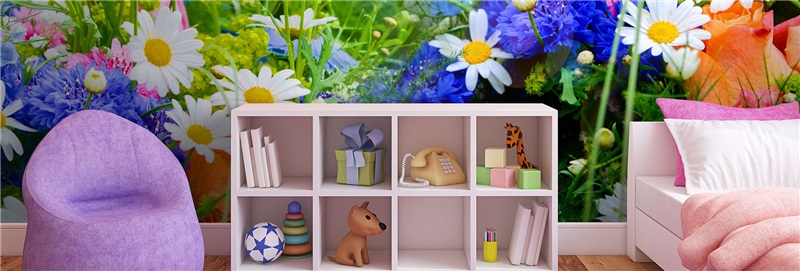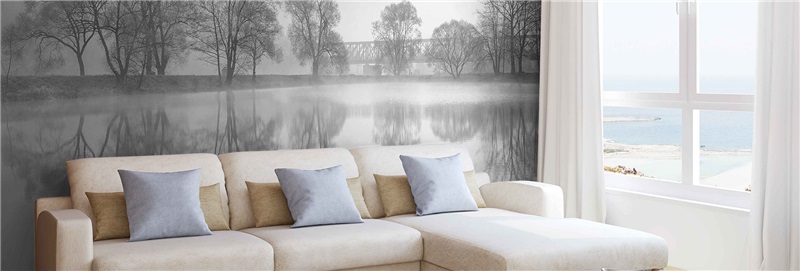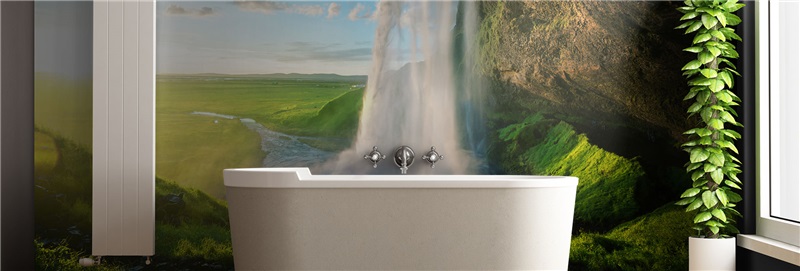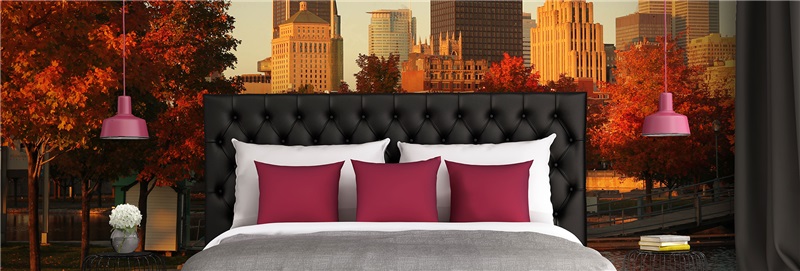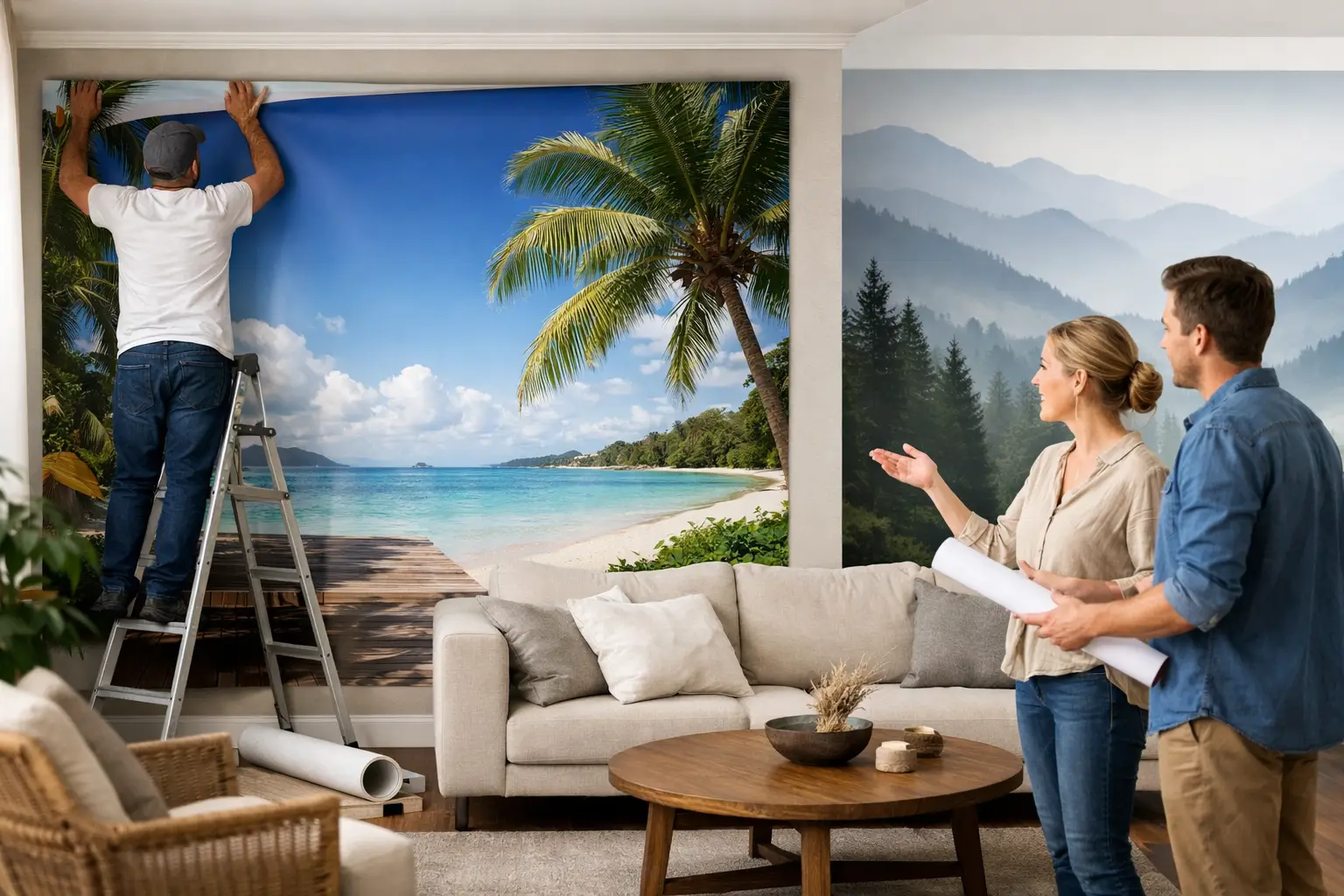
A wall that stops short of a doorway, wraps around a window, or sits behind a headboard should not force you into a standard-size print. A custom size wall mural is made for the real dimensions of your room, so the finished design feels intentional rather than cropped, stretched, or pieced together as an afterthought.
That flexibility is what makes mural wallpaper such a strong choice for feature walls. A misty forest can extend from baseboard to ceiling in a bedroom. A world map can fill a learning space without disappearing behind furniture. A personal vacation photo can become the focal point of a living room, provided the image and wall are prepared correctly.
Start With the Wall, Not the Artwork
The most successful mural projects begin with accurate wall measurements. Measure the full width and height of the area you want to cover, even if part of the wall includes a door, window, outlet, or built-in feature. The mural is usually printed as a complete rectangle, then trimmed around those elements during installation.
Measure in several places. Walls are not always perfectly square, especially in older homes, finished basements, and spaces with sloped ceilings. Use the largest width and the tallest height you find. Adding a small amount of extra material gives you room to align the mural cleanly at the ceiling and baseboard, rather than discovering a narrow uncovered strip after the first panel is applied.
Think about what the mural will visually frame. Behind a bed, you may want the central detail positioned above the headboard. In a home office, a cityscape or abstract pattern may look best when its strongest visual area sits within the camera view. For a wall behind a sofa, account for the furniture height so the most interesting portion of the design is still visible.
Plan Around Obstacles and Architecture
Windows, doors, light switches, and vents do not prevent a mural from working. They simply need to be considered before production. A design with a large face, animal, or architectural landmark can be difficult to cut around if the key detail lands directly on a window or doorway.
This is where choosing the crop matters. Broad landscapes, botanical scenes, textured abstracts, and repeating patterns are often forgiving around architectural obstacles. More precise imagery, such as a family portrait or a skyline with a recognizable focal point, benefits from design review before printing.
For walls with deep trim, uneven brick, heavy texture, or substantial damage, the question is not only visual. Adhesive mural film needs a clean, smooth, properly painted surface for dependable adhesion. A wall with minor orange-peel texture may be workable, but rough plaster, peeling paint, or loose drywall compound should be repaired and primed first.
Choosing Artwork for a Custom Size Wall Mural
A custom mural can begin with a catalog image or a photo you supply. The best choice depends on the room's purpose, natural light, existing furniture, and the mood you want to create.
A large-scale landscape brings depth to a smaller room, especially when the image includes a horizon or a pathway that draws the eye inward. Florals can soften a bedroom, powder room, or dressing area. Bold geometric patterns often suit offices, retail spaces, and contemporary living areas. Children's rooms give you more freedom to use playful animals, outer space, maps, or storybook scenes that reflect a child's interests without relying on temporary decals.
Personal photography adds meaning, but size changes the technical requirements. An image that looks sharp on a phone may not contain enough detail for a wall-height print. Enlarging a low-resolution file can produce softness, visible pixelation, or unwanted digital artifacts.
As a practical starting point, use the original camera file whenever possible rather than a screenshot, social media download, or image forwarded through text message. Professional photos and recent high-resolution smartphone images can work beautifully, but every image should be reviewed at its intended print size. Murale Design can evaluate image quality and help determine whether a file is suitable before production, which is especially valuable for one-of-a-kind family photos, travel images, and branded commercial graphics.
Cropping Is Part of the Design
A mural is not simply an image enlarged to fit a wall. Its crop changes the composition. A beach photograph may need more sky to avoid placing the horizon too close to the ceiling. A forest scene may need the tallest trees retained to preserve its vertical effect. A photo of people may need repositioning so faces do not fall behind a tall dresser or get split by panel seams.
If you are selecting a repeating pattern, consider scale. Small motifs can become visually busy over an entire wall, while oversized motifs may feel dramatic in a powder room but overpowering in a compact bedroom. Ask yourself how far away the wall will be viewed. A mural across a large open living room can support bigger visual elements than one viewed from two feet away in a narrow hallway.
Material Details That Affect the Finished Look
Wall murals are often described as wallpaper, but the print material and finish make a real difference in how the project installs and wears. Adhesive vinyl mural film is designed to adhere to painted drywall and create a clean, continuous wall graphic without needing traditional wallpaper paste.
Latex inks are a practical fit for interior décor because they provide rich color while being suitable for residential spaces. An anti-scratch finish helps the mural stand up to normal contact during installation and daily life, particularly in busy rooms, offices, and client-facing commercial interiors.
Durability does not eliminate the need for sensible placement. A mural directly behind a frequently moved chair, beside a pet feeding station, or on a wall that receives constant abrasion may show wear sooner than one installed above a bed or behind a sofa. In kitchens and bathrooms, consider moisture exposure, splashing, and ventilation before choosing a full-wall application.
Why Panels Matter During Installation
Large murals are produced in manageable vertical panels rather than one oversized sheet. This makes the material easier to ship, handle, align, and apply. Each panel is installed in sequence, with the image continuing across the wall.
Before you begin, lay out the panels in order and confirm the design flow. Give the wall time to acclimate if it has recently been painted. Fresh paint needs to cure fully before adhesive film is installed, or the bond can be compromised.
Clean the wall to remove dust, oils, and residue. Mark a straight vertical guide for the first panel. That first panel sets the alignment for every panel that follows, so it is worth taking time to get it right. Apply gradually from top to bottom, smoothing the material as you go to minimize trapped air.
For a standard rectangular wall, a careful DIY installation is achievable for many homeowners. Tall walls, stairwells, complex cutouts, and commercial projects may justify professional installation. The trade-off is simple: professional help adds cost, but it can reduce risk when the wall is difficult to access or the mural itself is expensive and irreplaceable.
Make the Mural Work With the Whole Room
A feature wall has more impact when the surrounding room gives it space to breathe. Pull one or two supporting colors from the mural into pillows, bedding, a rug, or accessories. You do not need to match every shade. A room feels more polished when the mural is the visual lead and the furnishings quietly support it.
Lighting also changes the result. Warm lamps can make sepia landscapes, florals, and wood-toned scenes feel intimate. Cooler, brighter lighting tends to emphasize crisp blues, whites, and modern graphic designs. Before committing to a dark mural, consider how much natural light the room receives and whether the design will be viewed mostly in daylight or at night.
For designers and commercial buyers, custom dimensions offer another advantage: visual consistency. A hospitality corridor, wellness studio, retail display, or branded office can carry a design across walls of different sizes without settling for near matches. The imagery can remain consistent while each mural is produced to suit its specific installation area.
A wall mural earns its place when it feels built into the room rather than applied to it. Measure generously, choose artwork with enough resolution and the right crop, and prepare the surface with care. Those few decisions turn a blank wall into a detail people remember long after they leave the room.
![Best Bathroom Mural Ideas to Elevate the Room [even for small bathroom]](/assets/documents/article/image/sans-titre.jpg)