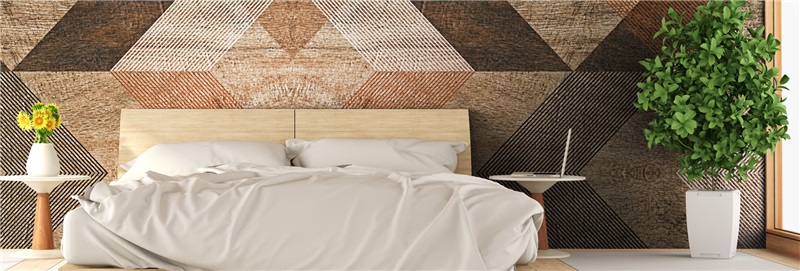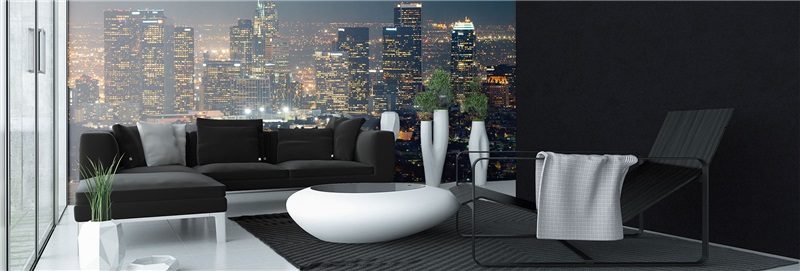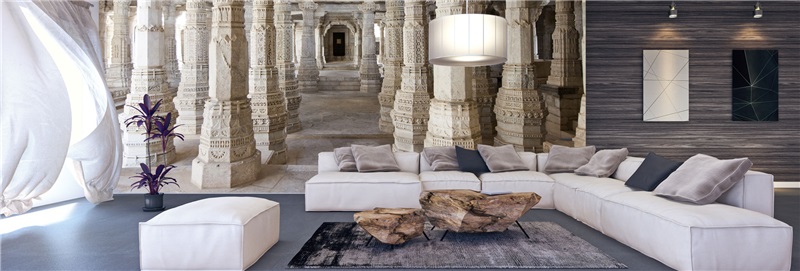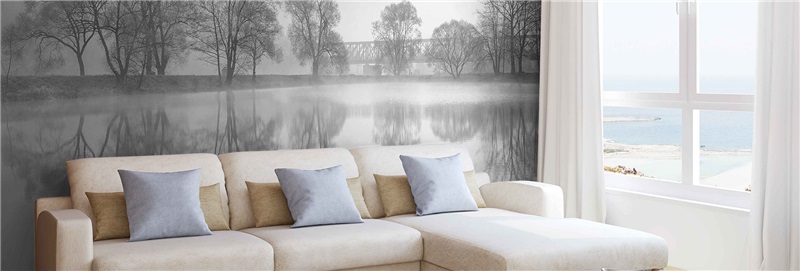
A feature wall is often the moment a client remembers most. It sets the mood in a boutique hotel lobby, makes a nursery feel personal, or gives a staged living room the visual depth it needs in photographs. A wallpaper trade program should make that high-impact decision easier for designers, decorators, architects, stagers, and commercial buyers by pairing professional pricing with production guidance that protects the finished result.
For trade professionals, wallcovering is rarely a simple off-the-shelf purchase. The project may involve an unusual wall width, a client-supplied image, a tight installation date, or a color story that must work with fabrics, millwork, and lighting. The right program recognizes those realities. It provides more than a discount - it gives you a reliable path from concept to a correctly sized, well-prepared mural or wallpaper-style wall covering.
What a Wallpaper Trade Program Is Built to Solve
Professional projects carry a different level of responsibility than a personal decorating decision. When a mural arrives at the wrong scale or a low-resolution image is enlarged beyond its limits, the result affects schedules, budgets, and client confidence. Trade support helps reduce those avoidable risks before production begins.
A worthwhile wallpaper trade program should support the work that happens behind the scenes: confirming dimensions, reviewing artwork, explaining panel layout, and helping you select a visual that suits the room's purpose. That can be especially valuable when the wallcovering is made to order rather than selected from a standard roll.
Custom production also gives professionals more control. Instead of trying to make a repeating pattern fit an awkward wall, you can order a mural wallpaper at the dimensions the project requires. A forest scene can be positioned to keep its focal point above a console. A world map can be sized around a classroom whiteboard. A client photograph can be reviewed before it becomes a room-scale installation.
The benefit is not that every project becomes complicated. It is that complicated projects have a clear process.
Trade Pricing Matters, but It Is Not the Whole Program
Trade pricing gives designers room to build wall décor into a project budget without treating it as an afterthought. It can also help professionals present a more considered option to clients who might otherwise settle for generic framed art or paint alone. But price should be assessed alongside the services that prevent costly revisions.
A lower initial price does not necessarily represent better value if the supplier cannot help with file quality, wall measurements, installation questions, or a production timeline. Conversely, a custom mural may cost more than a ready-made print, yet save time by arriving at the right dimensions and creating the visual statement the room needs without multiple decorative layers.
It depends on the project. A straightforward accent wall with a known pattern may require minimal support. A hospitality installation, a branded office, or a wall based on a personal image benefits from direct production communication. The trade program should work for both situations without forcing a professional to guess at technical details.
Look for clear terms, not vague promises
Before specifying a supplier, professionals should understand what trade enrollment includes. Ask how pricing is applied, whether custom-size products qualify, and how the supplier handles tax documentation, lead times, rush requests, samples, or large commercial orders. If the program has minimums or exclusions, those should be easy to identify.
Clarity matters just as much when a project changes. Clients revise layouts, construction delays occur, and final field measurements can differ from early plans. A useful trade relationship is one where you can discuss those changes before an order moves into production.
Custom Sizing Is a Design Tool
A wall mural should respond to the architecture rather than fight it. Windows, doors, built-ins, sloped ceilings, outlets, and furniture placement all influence where a design should begin and end. For a professional, custom sizing is not merely a convenience. It is the difference between a decorative image and an integrated interior element.
Start with accurate wall measurements, including the full width and height of the installation area. Measure more than once, particularly in older homes or spaces with uneven ceilings. It is generally wise to allow a small amount of extra material for trimming during installation, but the correct allowance depends on wall conditions and the installer’s method.
Then consider focal placement. In a bedroom, the clearest part of a floral mural may need to sit above the headboard rather than behind it. In a reception area, a cityscape horizon may need to align with eye level. For a repeating geometric pattern, the goal may be centered symmetry rather than a particular image feature. These choices are much easier to make when the design and dimensions are reviewed together before printing.
Panel layout deserves early attention
Large-format wallcoverings are typically produced in panels. The panel width, overlap or butt seam approach, and order of installation affect the final appearance. A professional should know where seams will land, especially around focal areas, glass partitions, or highly visible corners.
This does not mean seams are automatically a problem. They are a normal part of large wall installations. The point is to plan for them. A supplier with large-format experience can explain the panel construction and provide practical guidance so installers arrive prepared.
Image Review Protects the Finished Wall
Clients frequently bring inspiration from a phone, social media, an old photograph, or a file pulled from a presentation. Some of those images can make exceptional murals. Others may look acceptable on a screen but lack the resolution needed for enlargement.
A proper image review should assess whether the file has enough detail for the requested dimensions. It should also flag excessive compression, blur, harsh noise, or visual issues that become more obvious at mural scale. This conversation is not about dismissing a client's idea. It is about setting accurate expectations and finding the best path forward.
Sometimes the answer is simple: use the image on a smaller wall, choose a different crop, or select a similar catalog design made for large-format printing. In other cases, a graphic adjustment can improve the result. The best suppliers treat image review as part of the creative process, not an obstacle between the designer and the order.
Murale Design draws on more than 20 years of digital-printing, vinyl-cutting, and graphic-design experience to help evaluate images before they become custom wall décor. That kind of preproduction attention is particularly helpful when a client expects a cherished family image, a branded graphic, or a detailed artwork to perform at a larger scale.
Material and Finish Should Match the Installation
A beautiful image is only one part of a wallcovering specification. Material affects handling, installation, durability, and how the surface performs in active interiors. For painted drywall installations, adhesive vinyl wall murals can offer a practical, clean-lined solution when the wall has been properly prepared.
Latex inks are also relevant to a professional specification. They produce rich color for large visual designs while supporting the practical demands of interior décor. An anti-scratch finish can add reassurance in busy spaces such as offices, retail environments, hallways, or homes with children and pets. Still, no printed surface is indestructible. Placement and expected wear should guide the recommendation.
Wall preparation remains essential. The surface should be clean, smooth, dry, and fully cured if it has been freshly painted. Textured walls, peeling paint, moisture concerns, and dust can affect adhesion and appearance. For difficult surfaces, an installer should assess conditions before the mural arrives rather than trying to solve a substrate issue during installation.
Build Installation Into the Client Conversation
Many clients see a mural as the final decorative layer, but installation planning should begin much earlier. Confirm who will install it, when the space will be ready, and whether furniture, electrical plates, or trim will need to be removed or protected. In commercial work, coordinate access hours and site rules before scheduling delivery.
For smaller residential projects, a careful DIY installation may be appropriate when the wall is smooth and the customer is comfortable following instructions. For tall walls, multi-panel murals, stairwells, or highly visible commercial spaces, professional installation is often the more prudent choice. The decision should reflect wall complexity, not just project size.
A good trade program helps make that recommendation credible by supplying practical installation information and responsive support. When questions arise about panel sequence, trimming, or surface preparation, fast, knowledgeable answers keep a manageable task from becoming a delay.
A Better Way to Specify Statement Walls
The strongest trade partnerships make custom wallcovering feel less like a specialty gamble and more like a dependable design category. They give professionals creative range, while respecting the realities of dimensions, materials, files, budgets, schedules, and installation conditions.
When presenting a mural to a client, frame it as more than a decorative finish. It is an opportunity to give the room a point of view - provided the artwork, wall, and production plan have been considered with equal care. That preparation is what allows a memorable wall to feel intentional long after the installation crew has packed up.
![Best Bathroom Mural Ideas to Elevate the Room [even for small bathroom]](/assets/documents/article/image/sans-titre.jpg)