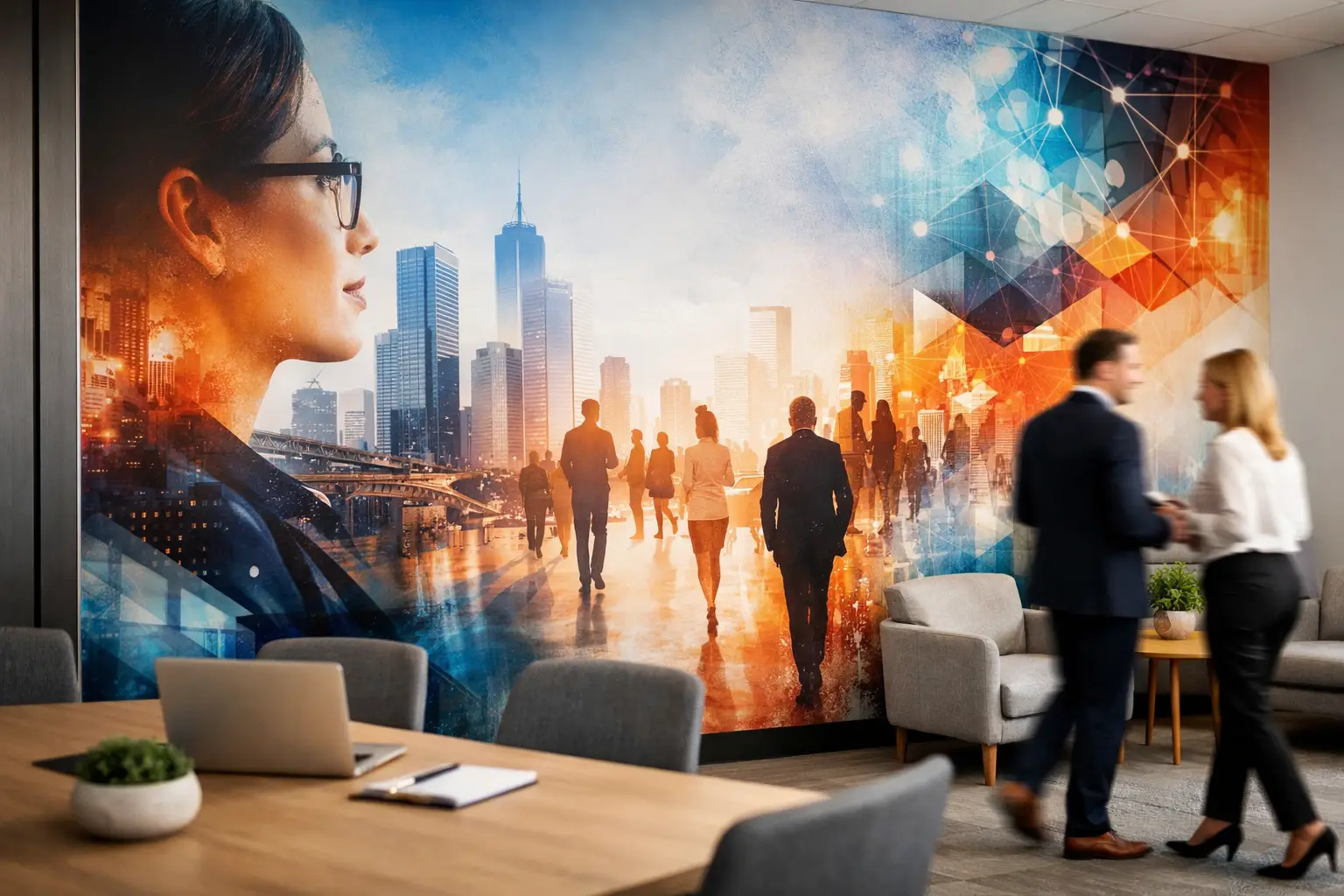
A reception wall has only a few seconds to tell visitors where they are. A retail fitting room, treatment room, school hallway, or hotel lounge has a little longer, but the same principle applies: the environment should feel intentional before anyone reads a sign. Commercial wall murals give businesses a practical way to make that impression at room scale, using imagery that supports the brand, the audience, and the purpose of the space.
The strongest mural projects are not simply enlarged logos or attractive photographs. They are planned around viewing distance, wall conditions, lighting, traffic, and the feeling people should take away. That is what turns a blank wall into a useful part of the interior rather than a decorative afterthought.
Start With the Job the Wall Needs to Do
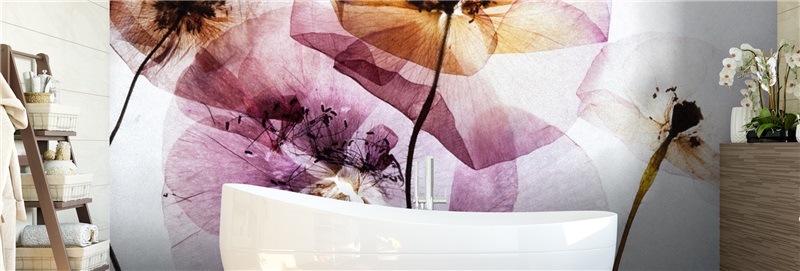
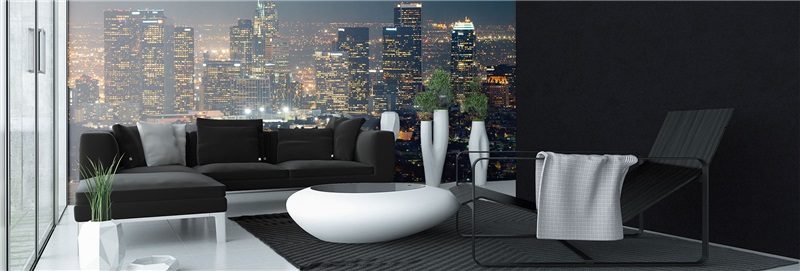
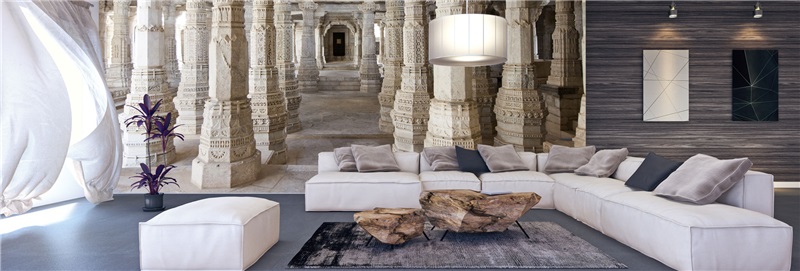
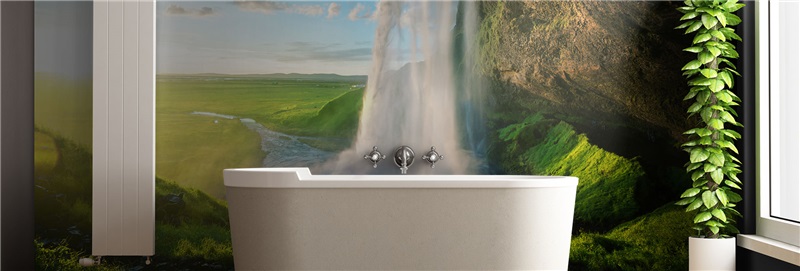
Before choosing a forest, cityscape, abstract pattern, or custom image, define the wall’s role. In hospitality, a mural may create a sense of place and give guests a memorable background for photos. In a wellness setting, it may reduce visual noise with a calm landscape, soft botanical artwork, or an atmospheric beach scene. In an office, it might reinforce culture, improve a shared workspace, or distinguish a client-facing meeting room.
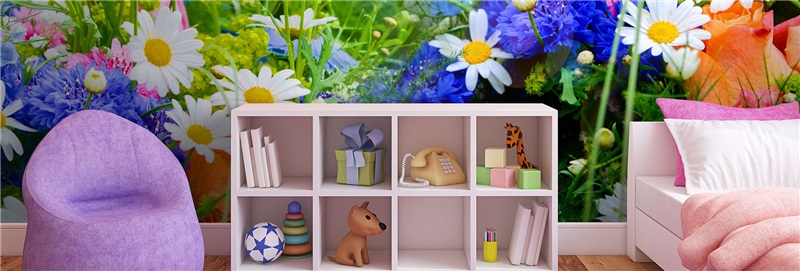
Retail projects often need a more direct connection between image and merchandise. A bold floral wall can support a beauty boutique, while a textured concrete, map, or architectural image may suit an outdoor, travel, or apparel brand. For schools and children’s spaces, the goal may be wayfinding, imagination, or a visual theme that makes a room feel welcoming rather than institutional.
A mural does not need to explain everything about a business. In fact, a wall crowded with product photos, service lists, and oversized text can feel dated quickly. Consider whether the mural should lead with mood, location, story, or brand recognition. A logo can be included, but it usually works best as one considered element within a broader composition.
Choose Artwork for the Actual Wall, Not Just the Screen
An image that looks sharp on a laptop can disappoint when printed across an eight-foot or twelve-foot wall. Resolution matters, particularly with customer-supplied photography, detailed maps, architectural scenes, and images containing faces or fine type. The larger the finished mural, the more pixel information the source file needs.
This is where image review is worth the extra step. A professional design team can assess whether a file has enough quality for the requested dimensions, recommend a more suitable crop, or help identify an alternative image before anything goes to print. Murale Design provides this kind of guidance for custom-image projects, which is especially useful when several stakeholders are approving artwork remotely.
Composition matters just as much as resolution. Look for the focal point of the image and decide where it should sit once furniture, doors, windows, shelving, and reception desks are in place. A mountain peak hidden behind a tall display fixture or a subject’s face split by a panel seam can make an otherwise beautiful mural feel poorly planned.
For brand graphics, avoid placing essential text or logos tight to the wall edges. Leave visual breathing room around important elements, and account for trim, outlets, thermostat covers, and potentially uneven corners. If the wall includes a doorway, treat it as part of the layout from the beginning rather than hoping it will disappear during installation.
Match the Visual Style to Viewing Distance
Large-scale artwork is viewed differently than framed art. A mural behind a reception desk may be seen from across a lobby, while a dining booth mural is experienced from only a few feet away. Broad shapes, strong contrast, and clean visual hierarchy generally perform well from a distance. Fine textures and intricate details are more rewarding in smaller rooms or close-viewing areas.
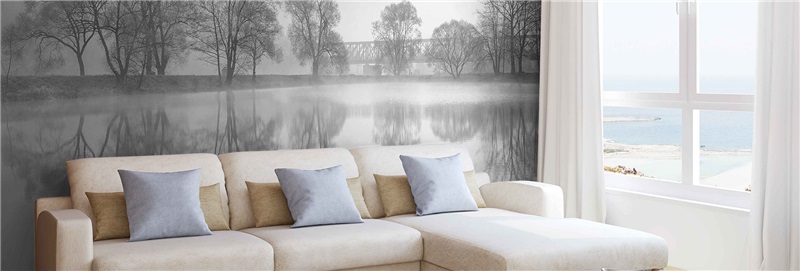
This does not mean every commercial project needs a loud image. Subtle watercolor florals, misty forests, neutral abstract designs, and tonal textures can make a substantial impact without competing with signage, merchandise, or people. The right amount of contrast depends on how busy the rest of the room already is.
Measure Carefully Before Ordering Commercial Wall Murals
Custom sizing is one of the main advantages of commercial wall murals, but it requires accurate field measurements. Measure the full width and height of the intended coverage area in several places. Commercial interiors are not always square, even when they appear to be. Note baseboards, crown molding, bulkheads, windows, wall-mounted equipment, and any obstacles that will need to be cut around.
It is usually better to provide the complete wall dimensions and discuss the finished coverage than to size a mural only to the most visible open area. A design can often be prepared with appropriate bleed and panel planning, helping the image continue naturally at edges and around minor variations in the wall.
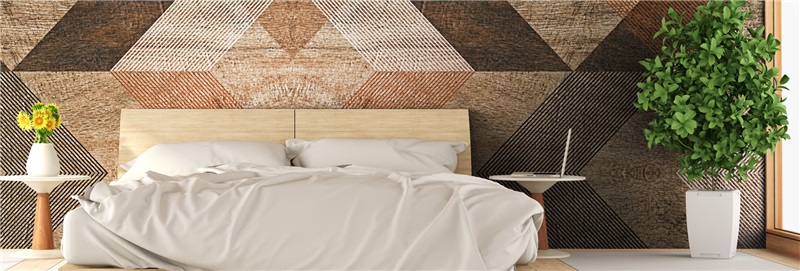
Panel construction should be considered early, especially for wide walls. Large-format mural wallpaper is produced in manageable sections so it can be aligned during installation. The design should account for seams rather than treating them as a surprise. Busy images, repeating patterns, and broad landscapes can conceal panel joins well; a precise geometric design or a close-up face requires more deliberate positioning.
If an architect, designer, or facilities team is involved, share wall elevations and final furniture plans. This reduces late changes and helps maintain consistency when murals are being specified across several locations.
Select Materials Around the Installation Conditions
For painted drywall interiors, adhesive vinyl mural material offers a clean, wallpaper-style finish with a direct installation process. Professionally printed vinyl using durable latex inks and an anti-scratch finish is well suited to many customer-facing interiors, from offices and boutiques to hospitality spaces and clinics.
Still, material selection depends on the site. A smooth, clean, properly painted wall is very different from heavily textured drywall, brick, unfinished surfaces, or a wall exposed to unusual moisture, grease, or repeated impact. A mural designed for a quiet conference room may not be the right solution for a commercial kitchen corridor or an exterior-facing application.
Wall preparation is not glamorous, but it protects the final result. The surface should be dry, clean, smooth, and free from dust, loose paint, silicone residue, or oils. Fresh paint needs sufficient curing time before an adhesive wall covering is applied. When there is uncertainty about paint type, texture, or a previous wall treatment, address it before production and installation day.
For leased spaces, ask whether the property manager has restrictions on wall coverings and removal. Adhesive murals can be an excellent choice for temporary branding or a seasonal refresh, but the expected lifespan and removal requirements should be part of the conversation from the start.
Plan Installation Like Part of the Design
Even a well-designed mural can lose its impact if it is installed in a rushed, active workspace. Schedule the work when the wall can be cleared and the area can remain relatively undisturbed. Installers need room to handle panels, align seams, make precise trims, and work around outlets or fixtures.
For a straightforward painted drywall wall, a capable team can follow detailed installation instructions. Larger installations, difficult layouts, high-visibility client spaces, or multi-wall projects may justify professional installation. The cost is a trade-off, but it can be worthwhile when downtime, alignment accuracy, and finish quality matter. Regional installation support may also be available for projects around Québec City.
Before installation begins, verify the artwork orientation, panel sequence, and starting point. If the image includes typography, maps, or a recognizable subject, a quick review can prevent an avoidable error. Good installers also inspect the surface as they work instead of trying to force adhesive film over a condition that should have been corrected first.
Keep Brand Consistency Without Making Every Wall Identical
A multi-location business does not need duplicate murals in every setting. Consistency can come from a shared color family, photographic style, pattern language, or placement of a logo mark. A hotel group might use locally inspired imagery in each property while maintaining the same warm palette and restrained typography. A healthcare provider might use different landscapes by department while preserving a calm, recognizable visual system.
This approach gives individual locations personality while keeping the brand coherent. It also makes future updates easier because the design decisions are guided by a clear system rather than a one-off trend.
When the artwork, wall dimensions, and installation conditions are considered together, the mural becomes more than a backdrop. It can help visitors feel oriented, employees feel proud of their workplace, and customers remember the space long after they leave.
![Best Bathroom Mural Ideas to Elevate the Room [even for small bathroom]](/assets/documents/article/image/sans-titre.jpg)